
Last week, I spoke with an academic friend who was furious to find that an editor had amended one of his articles by altering the footnotes and referencing. He was understandably annoyed because it was without his permission and wasn’t even notified!
When he mentioned it, I remembered it had been done to me on several occasions. On one occasion, I queried why it had been done without reference back to me and was told it was for space saving. Enquiring further, I realised the reason was primarily that the editors had very little understanding of citations and referencing and eventually admitted that they ‘didn’t actually follow any recognised style or referencing format’. Indeed, when I looked back at a few back copies of their journal, I could see that it was true…woefully so.
In these days of Artificial Intelligence (AI) and countless automated writing tools, detailed referencing is vital. If I can’t explain where I got a piece of information from, how can anyone believe me? Even if barely 2% of my readers look up a reference to read further or verify something I have written, it is always there to be verified.
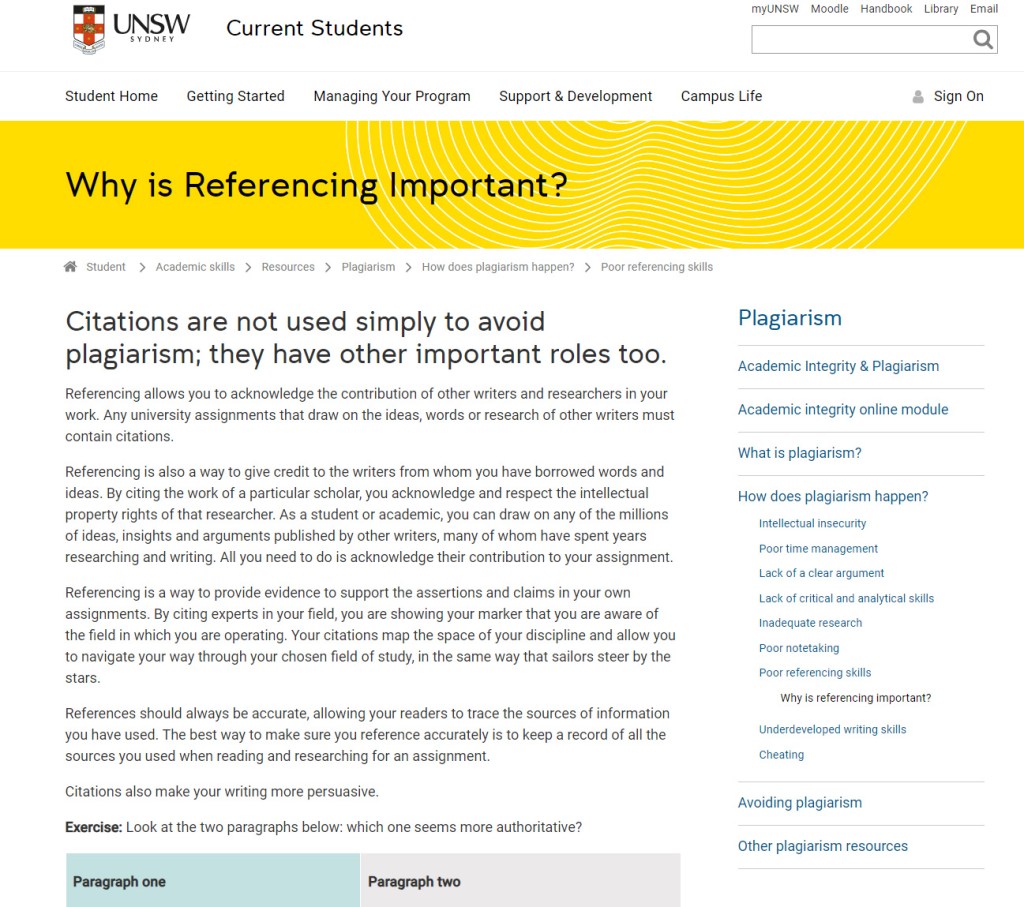
AI is making belief in the written word much harder. In my work as a consultant, I often saw colleagues prepare reports and presentations, often for considerable cost, and be totally silent on their sources. I know this was to hide the amount of plagiarism, passing off, duplication, and Wikipedia work that was often conducted as ‘serious’ research. I never did this and was often criticised for revealing my sources, usually by the people being fired whilst I retained contracts and the confidence of my employers.
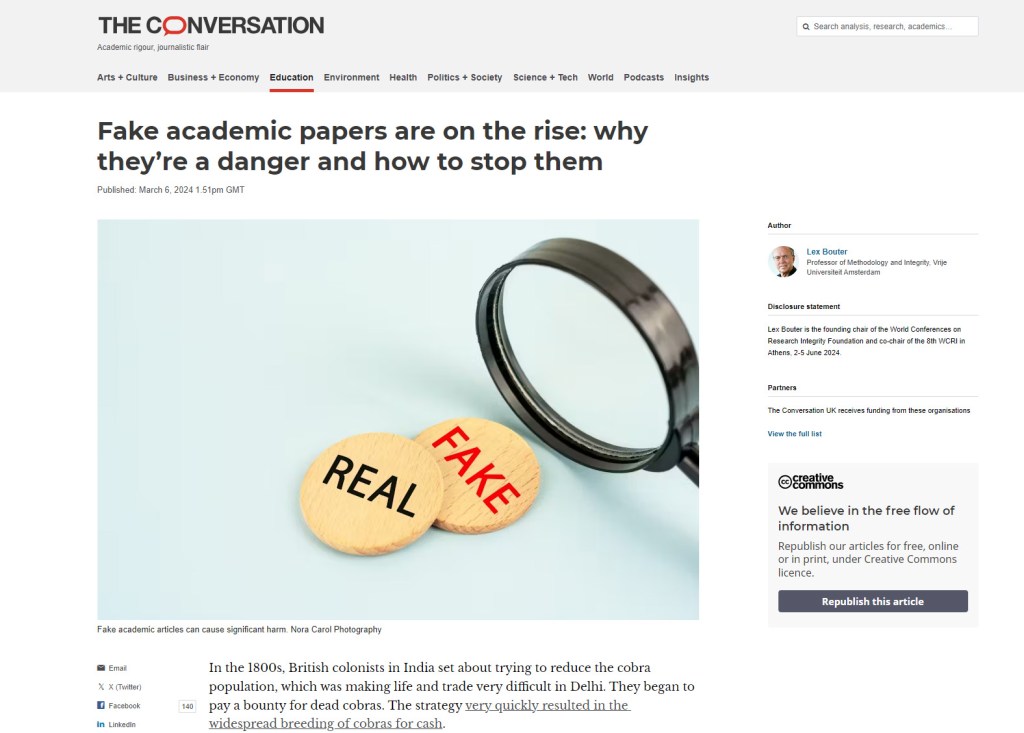
AI is now being used to write all sorts of technical, legal, and medical reports and articles, and it is smart enough to generate false references and citations to support its arguments. The AI trend is devaluing knowledge and expertise and reducing confidence in what we can rely on, whether that is local history or cancer treatments.
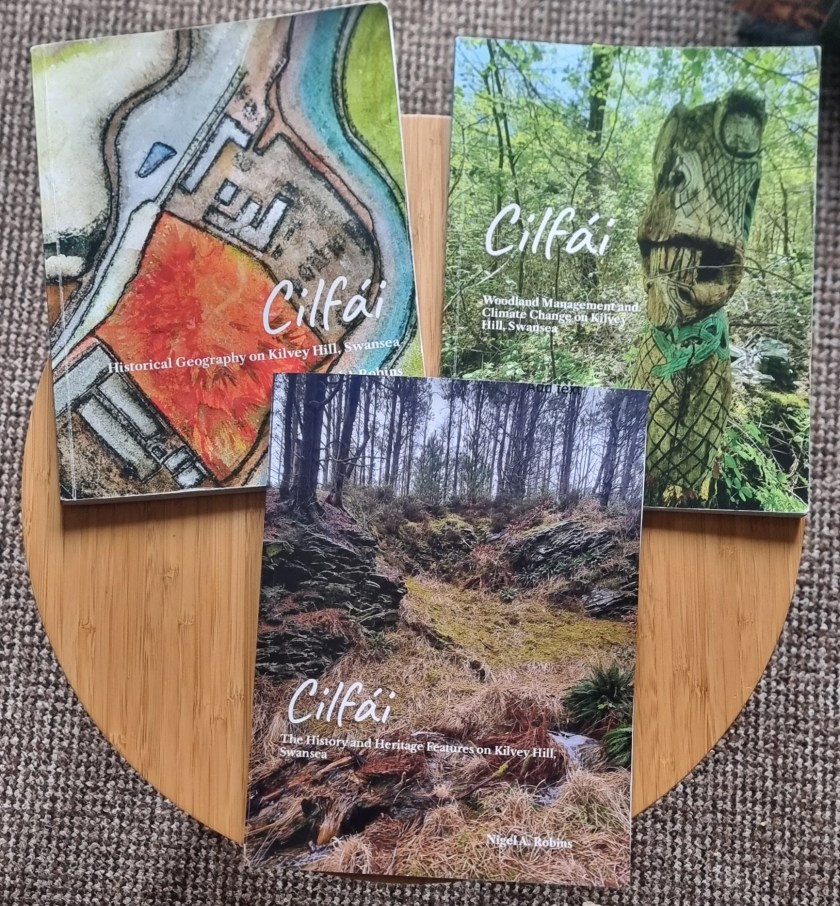
Many others are now declining the opportunity to appear in electronic journals, and everything I research and publish is referenced. From now on, my books and longer-form research will only be published in paper form, and only abstracts will be released online. Of course, this hasn’t stopped people from individually scanning books, and I have seen electronic versions of the Cilfái trilogy already appear.
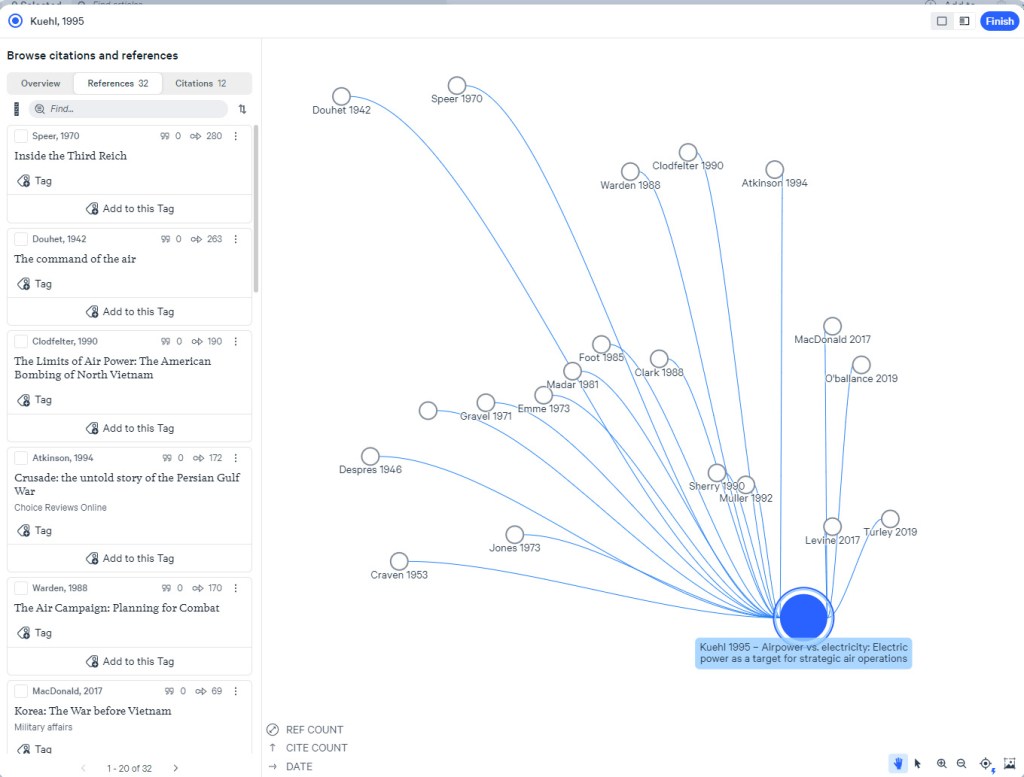
Equally, AI is an immensely valuable tool for research. I will frequently use AI tools for library searches or organising my thoughts on a topic. They are increasingly powerful and need to be used wisely.
 Nigel Robins