Cilfái: The Principles of Diversity and Resilience

Cilfái’s connectivity to other wildlife and natural habitats is not just a concern, it’s a massive issue. The dangerous main roads dominate the wider extent, west towards the river and north towards what was the Enterprise Zone. Within the woodlands, further development for bike paths, walking trails and cable car routes are all immediate risks for ruinous fragmentation. The width of paths and firebreaks and cableways and how we manage the woodland edge habitats are crucial. Cilfái’s wider nature network must be urgently mapped and managed using the ten well-known best practice principles (Crick and others 2020a: 91–101).

1. Understand the Place. Understanding the community and the natural networks that are in place.

2. Create a Vision. Create a future that is understandable and engages the biggest stakeholders, usually the local communities, animals and plants, and those responsible for caring for and maintaining the land.

 3. Involve People. Communication, engagement and consultation are tremendously important. Do we see that commitment from local politicians?

4. Create Core Sites. The central Cilfái woodland is our core site.

5. Build Resilience. This is protection against climate change-related events such as drought, torrential rain, wildfires, and temperature extremes. I describe some of these in the book.

6. Embrace Dynamism. Nature changes constantly. Change can happen in a matter of minutes: a tree blows down, a stream bursts its banks, or a rockfall changes the shape of the land. We can’t keep spending money on keeping things ‘as they are’. Is expensively recreating a nineteenth-century landscape that relies on money, gardening, water and stable weather and climate  (as they do at Penllergare Country Park) even possible in the modern world? We must accept and adapt to our situation, not the situation we would like to be in.

7. Encourage Diversity. There is genetic variabilityspecies diversityecosystem diversity and phylogenetic diversity. Diversity is not distributed evenly on Cilfái. The ecosystem we see building on the hill results from 50 years of growth and change.It should be allowed to develop naturally. The notion that a local Council or a private tourism company can care for the land is an outrageous conceit.

8. Think ‘Networks!’ Plants, animals, and people move and live in connected networks.

9. Start Now, but Plan Long-term. Short-term is about 3 years, long-term is about 50 or more. Nobody knows what the world will be like in 50 years.

10. Monitor Progress. We can’t understand change if we don’t observe it constantly. A 3-day ecological survey by a non-local contract ecology firm on behalf of a foreign tourist company doesn’t cut it.

However, there will always be uncertainty about what Cilfái can contain because it is always prone to extreme disturbance.

Crick, H.Q.P., I.E. Crosher, C.P. Mainstone, S.D. Taylor, A Wharton, and others. 2020. Nature Networks: A Summary for Practitioners (York: Natural England)
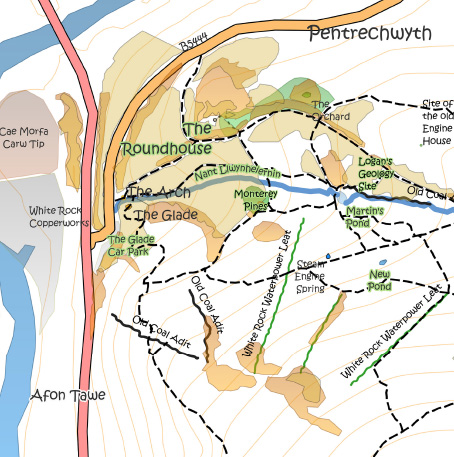
Above: The western part of the woodland with areas of particular attraction to birds and wildlife highlighted in shades of Brown. These areas are open or semi open and also show strong characteristics of ‘woodland edge’ or ‘Stand A’ structures (see Annex 7). These areas have their origin in polluted soils from slag tips or fire damage from wildfire attacks. The old coal adits and leats provide damper cover than the surrounding woodland and frequently act as biodiversity hotspots because they retain moisture in drought conditions. These Brown areas are the current centres of natural regeneration. The woodland cover in these areas will not be necessarily native species, it is far more likely to be the ‘Cilfái mix’ of coniferous, native and invasive non-native. These areas are rapidly becoming reptile hotspots and also very strong presences of foraging bats.
 

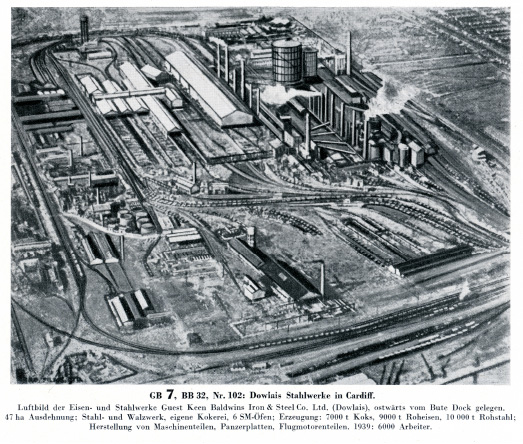
The Luftwaffe attacking Welsh steel

The steelworks of the Welsh ports were of obvious interest to the early Luftwaffe investigators. Iron and steel were strategic materials for all sides. The Dowlais steelworks in Cardiff was a huge target. In fact it was so big that it was difficult to work out exactly where to hit it to cause most damage. The largest high quality bombs were reserved for targets like this (500kg or more), with hard steel noses to penetrate concrete roofs. Incediary bombs were not very effective against industrial targets.

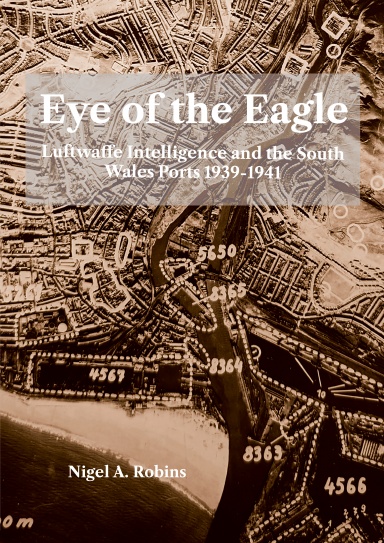
I cover Cardiff as a Luftwaffe target in Chapter 5 of Eye of the Eagle: Luftwaffe Intelligence and the South Wales Ports 1939-1941.

Above: The Dowlais steelworks as depicted in the Militärgeographische Einzelangaben from 1940. A difficult target to attack which required special bombs of larger size and hardened casings to penetrate concrete walls and floors. Incendiaries were practically pointless against a steelworks. There was also a need to attack at a lower altitude to increase accuracy. The presence of a couple of barrage balloons would frequently discourage crews from flying al lower altitudes.

Cilfái: Copper Smoke

I write about the copper smoke in Chapter Four of Cilfái: Historical Geography on Kilvey Hill, Swansea.

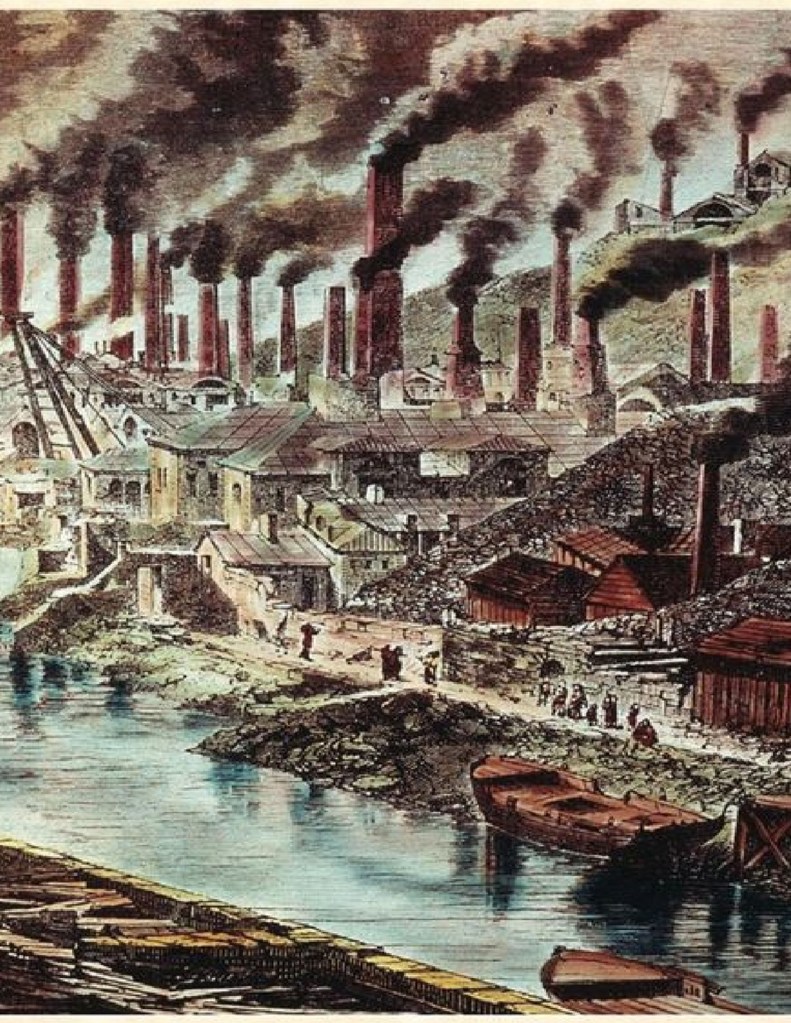
The copper smoke from White Rock was horrendous. Black, acrid, greasy and opaque. It killed everything it touched. The chemical composition of the Cornish copper ore meant that once burnt with Kilvey’s bituminous coal, released vast quantities of sulphur dioxide, hydreogen fluoride, sulphrous and sulphuric acids. in the 1840s, the Vivian’s Hafod Works were releasing 188 tons of Sulphuric Acid daily into the Swansea Valley.

Above: An extract from a rare coloured version of an image commonly used to show the forest of chimneys at White Rock in the 1860s The toe of the Cae Morfa Carw slag tip is left of centre and the mass of chimneys of Middle Bank is to the left. The drawing was commissioned by the French travel journal ‘Le Tour du Monde ‘ and the artist was Jean-Baptiste Henri Durand-Brager (Le Tour du Monde) 1865) (Author’s collection).

Housing history in Swansea

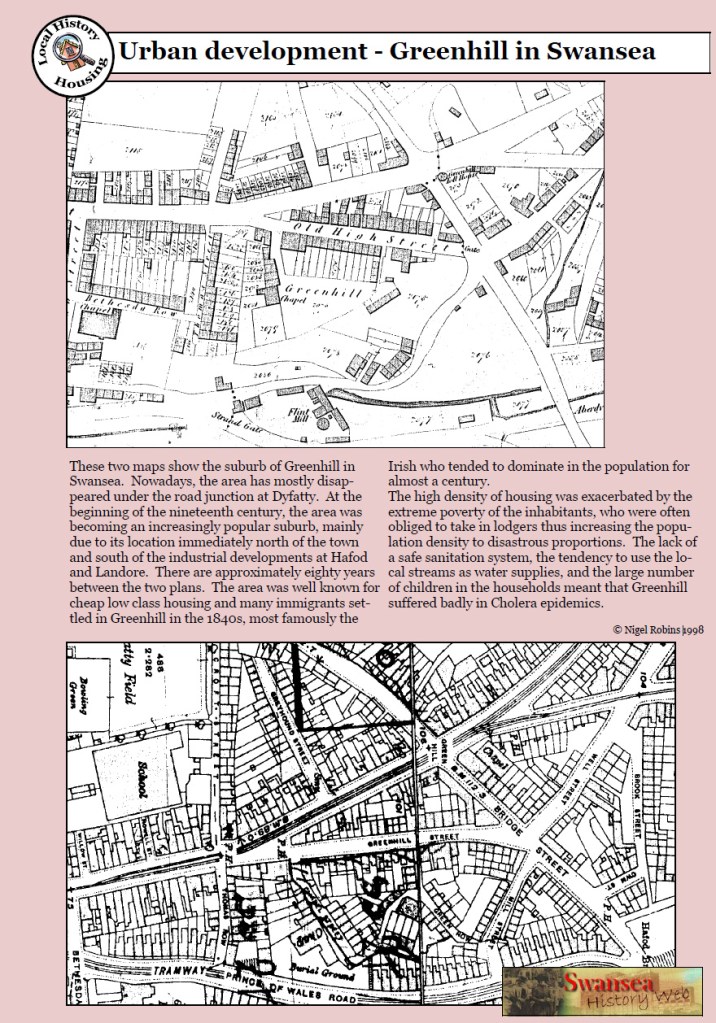
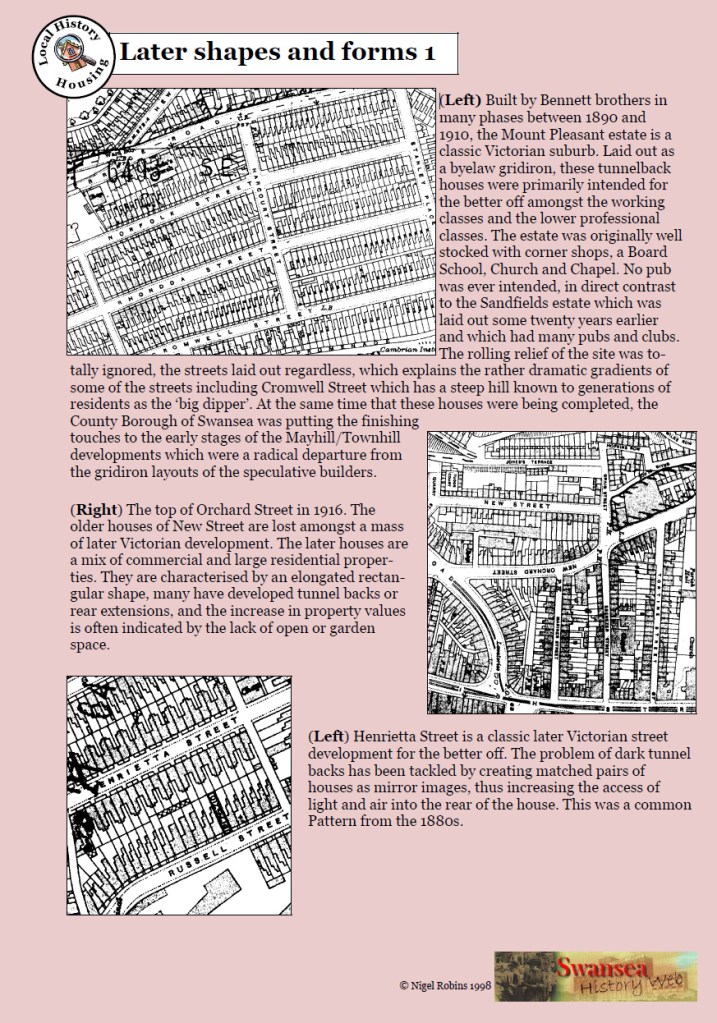
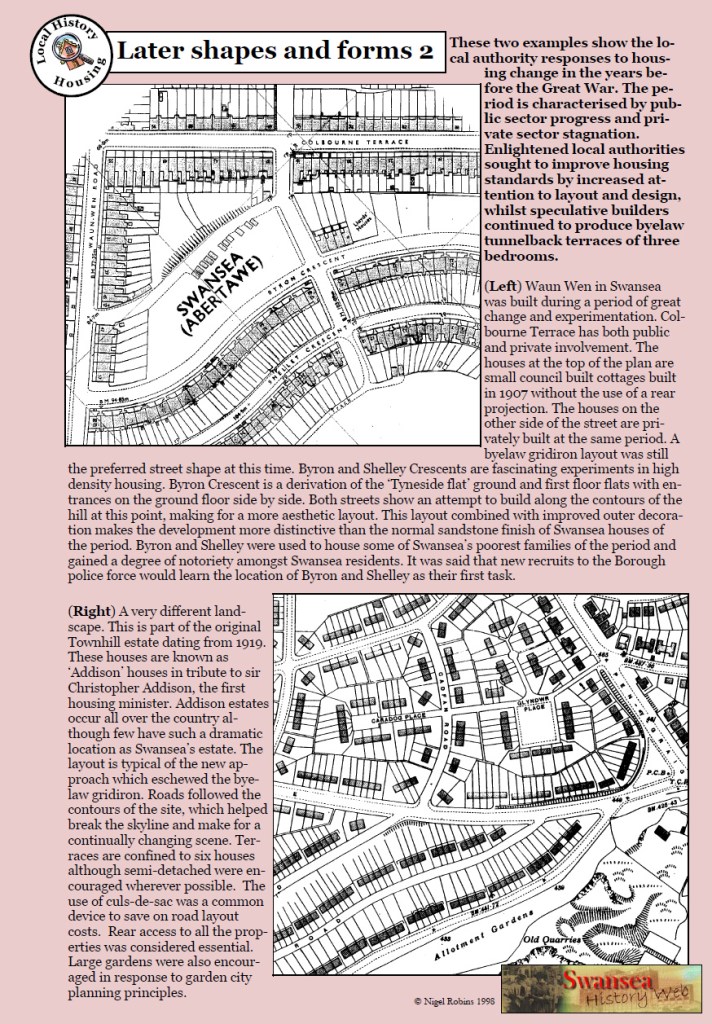
I’m taking a University class out tomorrow to look at some industrial housing history around Hafod and Landore. Housing history was the central theme of my research in the 1990s amd I must have surveyed and mapped hundreds of Glamorgan houses as I worked to understand industry, landscape and the housing needs of the early coal and metal industries.

Shape is one of the most important features of early (pre-1919) houses and it became a bit of a party trick when I could guess for other people the decade in which their original house was built. Although many of Swansea’s earliest industrial houses were swept away in the 1920s as part of slum clearance, quite a few of the classic examples still remain. Beyong the boundary of the original County Borough of Swansea, neighbouring local authorities did not clear their older houses and many survive in villages, cwms, and valleys near the pits and factories they served.

These are the handouts fr0m ‘Housing History 101’ from my teaching days. I suppose these types of documents (and clip art!) are history themselves now LOL.

Port Talbot and the Luftwaffe

Port Talbot is covered in Chapter 8 of Eye of the Eagle: Luftwaffe Intelligence and the South Wales ports, 1939-1941.

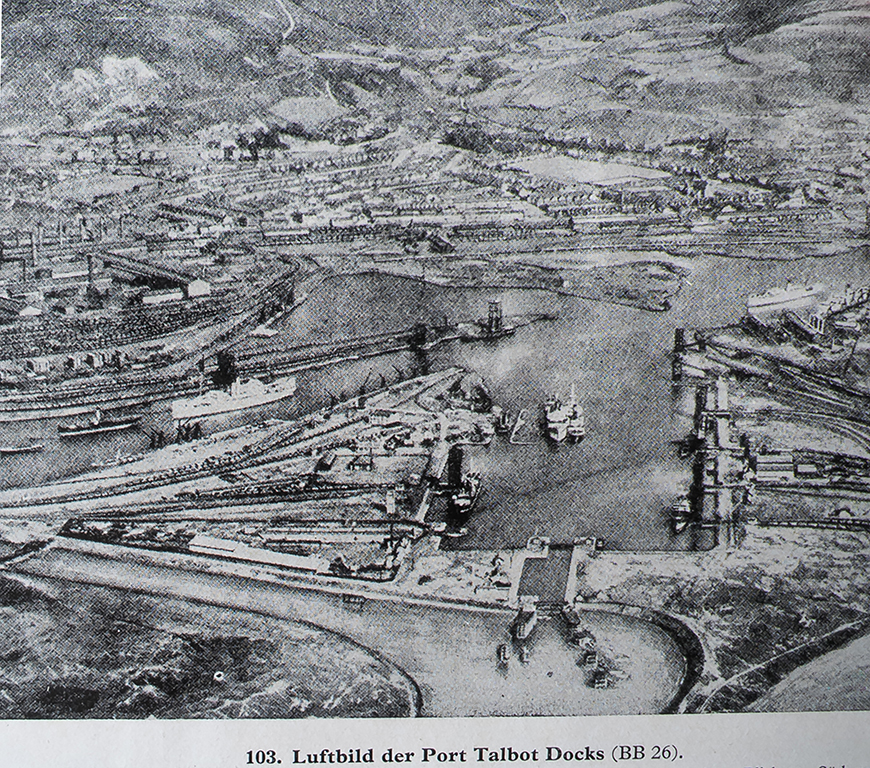
Port Talbot (Aberafan) has a long history as a port, although much of the town’s historic identity is swallowed up by the dominant steelworks . Coal was moved down the Afan Valley to a site originally known as Llewellyn’s Quay, probably from the 1600s or earlier. By the 1750s, a tram line had replaced the pack horse route, and by 1811, iron was also being moved through the valley. Copper ore was imported for the copper works at Cwmafan by the 1830s, and a wharf near Llewellyn’s Quay was built to handle ore (the original Copper Works Wharf).

Port Talbot was identified as a port of interest because of the two large integrated steelworks. The dock was also considered vulnerable because it could be destroyed by bombs on the lock gate and entrance.

Above: Port Talbot from Luftwaffe intelligence records created in 1938-39.

Swansea 1940, the first Luftwaffe images

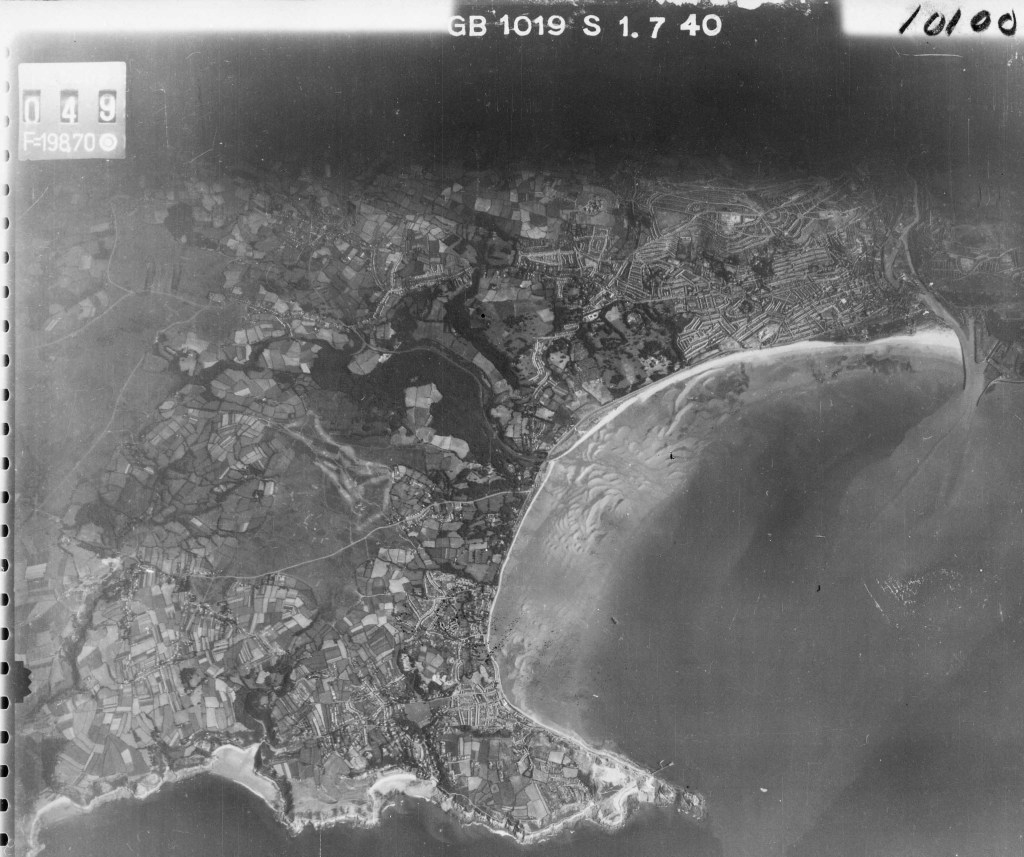
The first direct reconnaissance images of Wales were taken on 1 July 1940 from Luftwaffe reconnaissance aircraft taking off from Jersey only hours after they had actually occupied the airport after the surrender off France.

The aircraft was a Do 17P from second Staffel of Fernaufklärungsgruppe 123 Der Adler mit dem Fernrohr,(The Eagle with the Telescope). This image is from that initial mission. The open fields of Mumbles are seen in the fine summer of 1940 with the open lands of the commons on the left side. The wreck of the SS Protesilaus can be seen on the sands at West Cross in the Bay.

Clyne Valley is still intensely wooded and the fields and gardens of western Swansea are still free from the urban density that we see today.

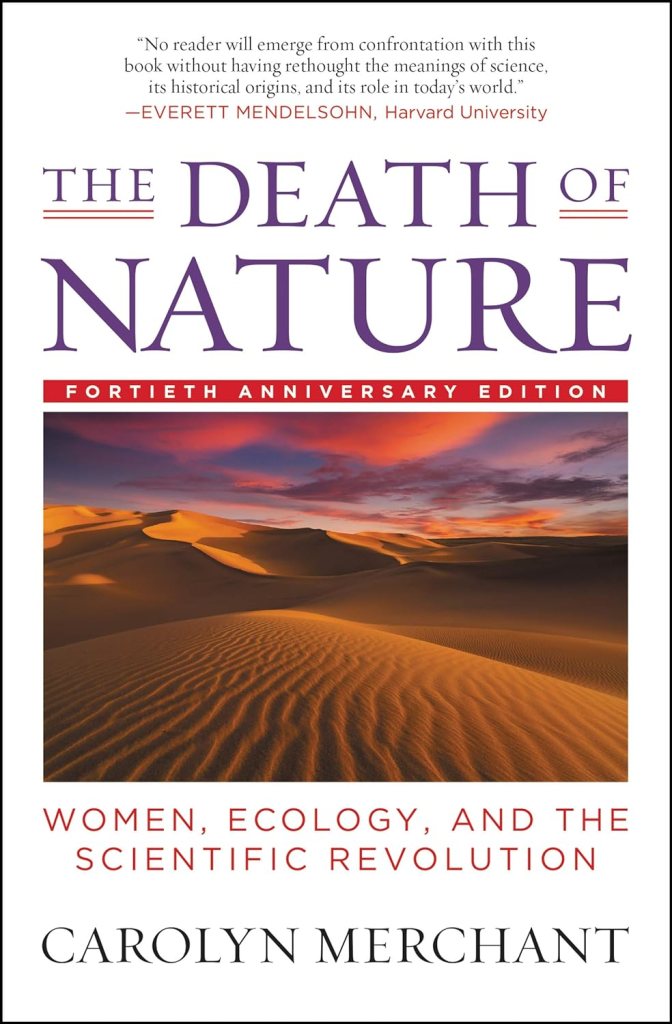
Cilfái, The Death of Nature, and Carolyn Merchant

When I wrote the first Cilfái book, on the history of the hill, my views were strongly coloured by the work of American ecofeminist Carolyn Merchant. Merchant has many talents, but one of her earliest books was titled ‘The Death of Nature’ (The Death of Nature: Women, Ecology and the Scientific Revolution )A strong title, and I can recall being quite challenged by it when I first read it in the early 1980s. Merchant is a formidable historian of science and her book explored the importance of gender in early writing on nature. Her grasp on European industrial history was superb and her interpretation of how the understanding of nature changed in the Industrial Revolution from an organic or female conception through to the mechanistic model of coalfields and resources.

Alongside this, the destruction of people’s rights and freedoms throughout the medieval period by greedy landlords had a profound impact on the perception of land and property. The medieval economy of Cilfái was based on organic and renewable energy sources (wood, water, and wind), the emerging capitalist economy of the Mansel family was based on coal and metals which transformed the nature of the hill. The changes on Cilfái over the past few centuries are confirmation of Merchant’s theories.

In one of her most famous statements…

The female earth was central to organic cosmology that was undermined by the Scientific Revolution and the rise of a market-oriented culture … for sixteenth-century Europeans the root metaphor binding together the self, society and the cosmos was that of an organism … organismic theory emphasized interdependence among the parts of the human body, subordination of individual to communal purposes in family, community, and state, and vital life permeate the cosmos to the lowliest stone

Cilfái and unexploded bombs

Swansea was bombed about forty times during World War Two. Many of the bombs dropped didn’t explode and many are still out there under the ground on Cilfái.

The most imfamous bombing event was Swansea’s Three Nights’ Blitz of 19-21 February 1941. People assume that Cilfái’s bombs came from that event, but the main damage to the Hill was caused by the heavy bombing raid of 17 January 1941. On this night the Luftwaffe dropped a lot of heavy bombs. Many of which missed the Docks and ended up on the hill.

Bombs that landed on the marshy ground on the town side of the hill sank into the ground and never exploded. They are still there, but a long way underground (maybe five metres or more). Others did explode when they hit the hill leaving large craters, some of which have filled with water and are now biodiversity hotspots.

The Skyline development raises the risk that some of the unexploded bombs will be disturbed by excavators and diggers. This is a common ocurrence in areas that were heavily bombed. When I worked in construction in London, we all had to be trained in recognition and procedures if one of the diggers brought a bomb up in a bucket. The risk on the hill is real and has already been recognised in planning documents, and precautions will be essential.

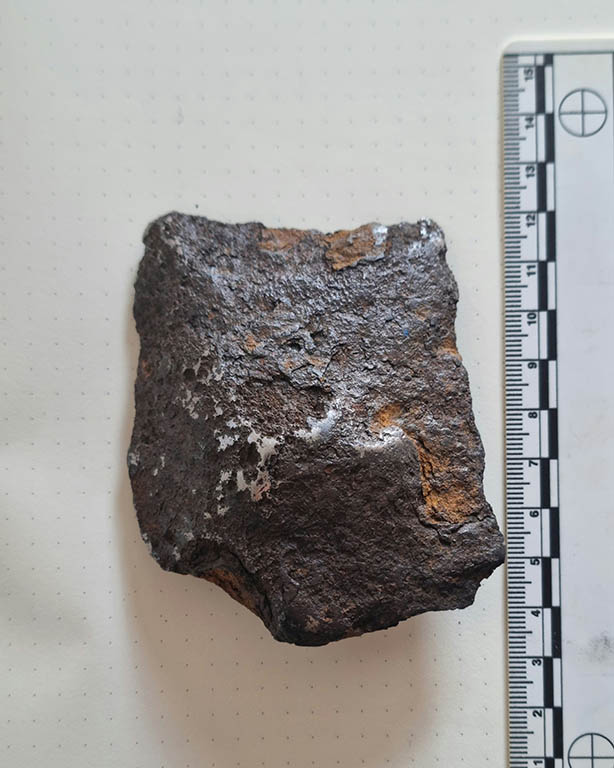
The bombs that did explode produced a lot of metal fragments of all sizes. In some places bomb fragments have become part of Cilfái’s archaeology. Fragments were incredibly dangerous. A piece of a bomb weighing about half a gramme (a fiftieth of an ounce) would be enough to smash through an arm or leg destroying the bones. The bigger fragments could kill instantly or easily destroy a vehicle.

Some parts of the hill were peppered with this kind of shrapnel. The photo below is of a big piece (aqbout 9 cm) I found. The sides of this fragment are still as sharp as a Stanley knife.

The World War Two remains are part of the wider collectiion of heritage and archaeology remains listed in the third Cilfái book Cilfái: History and Heritage Features on Kilvey Hill Swansea.

No matter how old they are or how rusty they look, bombs will still explode and kill.

Above: Bomb shrapnel from bombs dropped on Swansea in 1940.

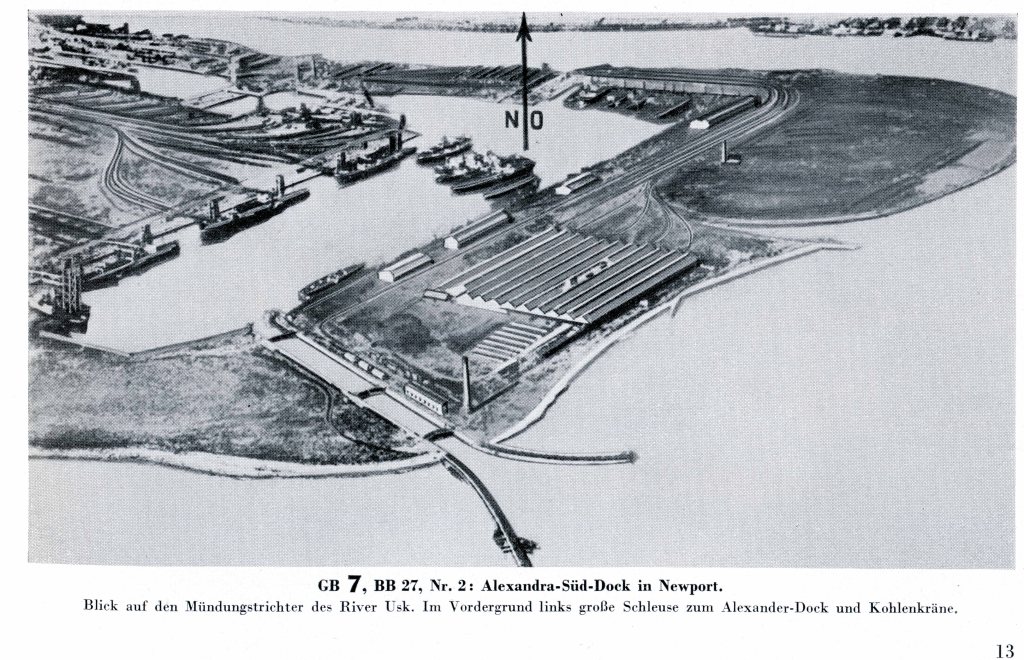
Newport as a Luftwaffe target in 1939

Newport’s port is old, and its original town centre dock was a busy port from medieval times. The take-off point for Newport’s prosperity was the creation of the Monmouthshire and Brecon Canal, allowing coal to come down straight into the port. The fact that Monmouthshire did not have much of a large-scale iron industry meant that coal was exported straight out of Newport instead of being channelled off into other industries as happened at Swansea and Cardiff. The canal and its associated network of tramways meant that Newport was a vigorous coal exporter, rivalling nearby Cardiff for annual tonnage until the 1850s. Some of the best Welsh steam coal collieries were within ten miles of the port, which provided a lucrative trade up to 1945.

The high level of metalworking and engineering skills in the local population made Newport attractive for ship repair businesses. Newport had five dry docks, two of them (the Tredegar and Eastern No. 2) being particularly large. These larger dry docks were big enough to handle Royal Navy Light Cruisers, particularly effective vessels with large calibre guns. The Luftwaffe was particularly interested in these docks.

The story of Newport’s importance to the Luftwaffe and the reasons why it was bombed are explained in Eye of the Eagle: Luftwaffe Intelligence and the South Wales Ports 1939-1941.

Above: A German intelligence image of Newport Docks from the 1938 research into the bombing targets of South Wales.
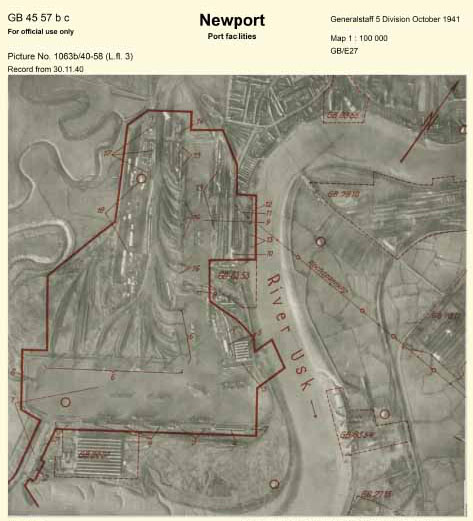
Above: A translated extract from a Luftwaffe Target Map of the docks at Newport. 1941.

Cilfái: The legacy in the soil

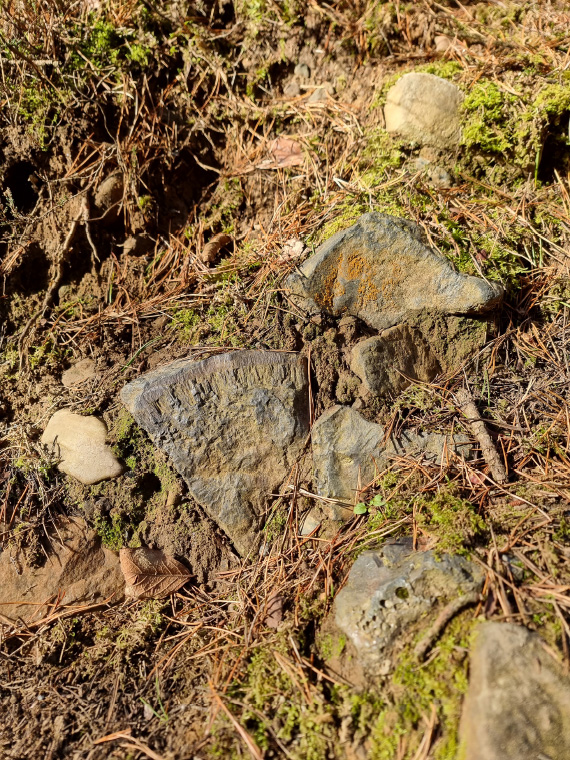
The industrial pollution phase of Cilfái’s history has left a permanent mark in the nature of the landscape. Industrial smelting waste forms a large part of the soil for over twenty percent of the woodlands around The Glade, Roundhouse, and up to Martin’s Pond. Slag takes its place amongst the native sandstone and the glacial debris from the last ice age. The structure and chemical profile of the soil is permanently altered and many trees eventually succumb to the toxicity. This is a good reason why natural regeneration should be favoured over massive new plantation of native species. Natural regeneration allows plants that are resilient to the poisons to develop. I explain more in the second Cilfái book.

P.50 Cilfái: Woodland Management and Climate Change

Copper slag in the soil at Martin’s Pond 2022.