Eye of the Eagle: Luftwaffe Intelligence and the South Wales Ports 1939-1941 ISBN 978-1-7393533-3-9

This has now been reissued as a 2025 Second Edition. I’ve also updated the copyright and EU product compliance details.

The first version of Eye of the Eagle was published in 1993. At that time, the research was to look at local landscape history, and British government aerial photographs were prohibitively expensive for such research, whereas, with a bit of effort, the Luftwaffe aerial surveys were freely available albeit via the record offices of the USA. As a geographer, my first instinct was to look for photographs and maps that give a first impression of a landscape before experiencing the land by walking. Since those days, a revolution in information sciences has changed so much. British record offices are far easier to engage with, and online and digital sources provide a wealth of resources and historical riches that were undreamed of in the 1990s. Combining the images with appropriate GIS/GPS systems has provided spectacular insights into ancient woodland and post-industrial recovery of land.
However, what has not changed is the research and writing techniques that underpin our discipline. This book has been written several times, only to be rewritten when new sources become available or are revealed in the improved access or digitisation of various records. Some of the many images and sources you will see here were rescued from rubbish dumps as organisations sought to ‘become digital’ in the early 2000s by throwing away ‘old’ records. Which explains their rather ‘worn’ looks.
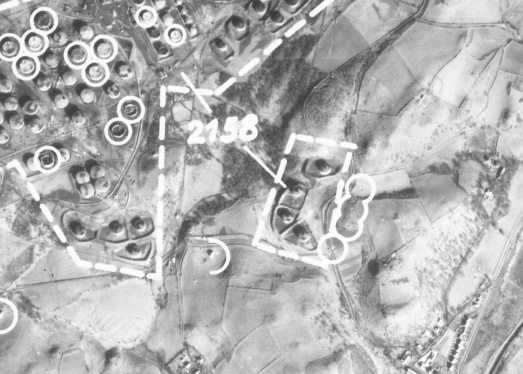
Llandarcy showing destroyed oil tanks and near misses after the 1940 bombing raids.
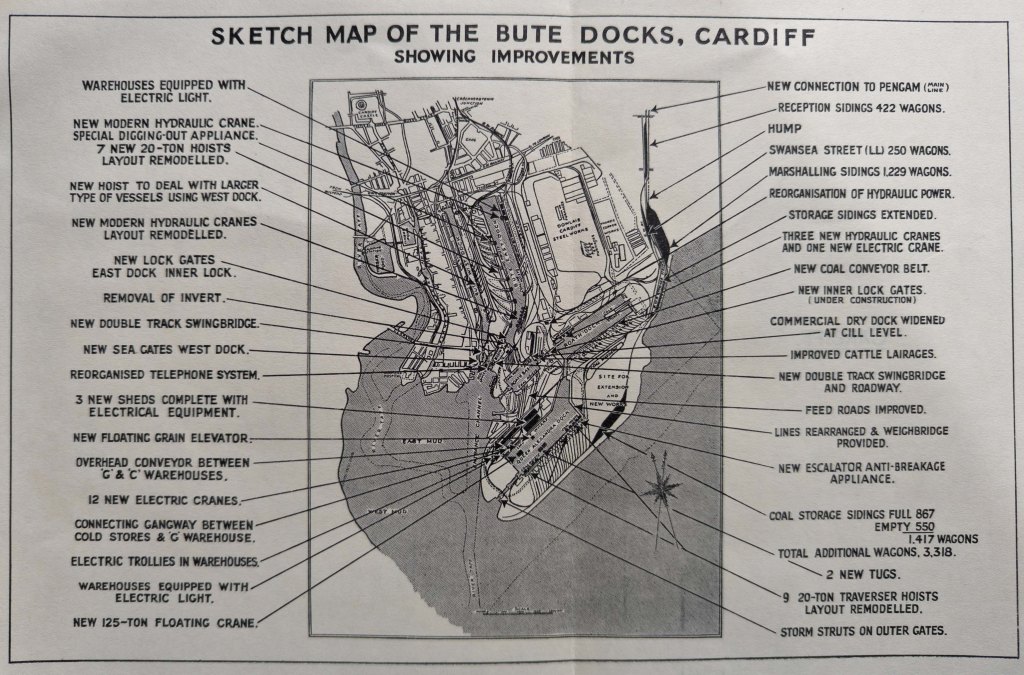
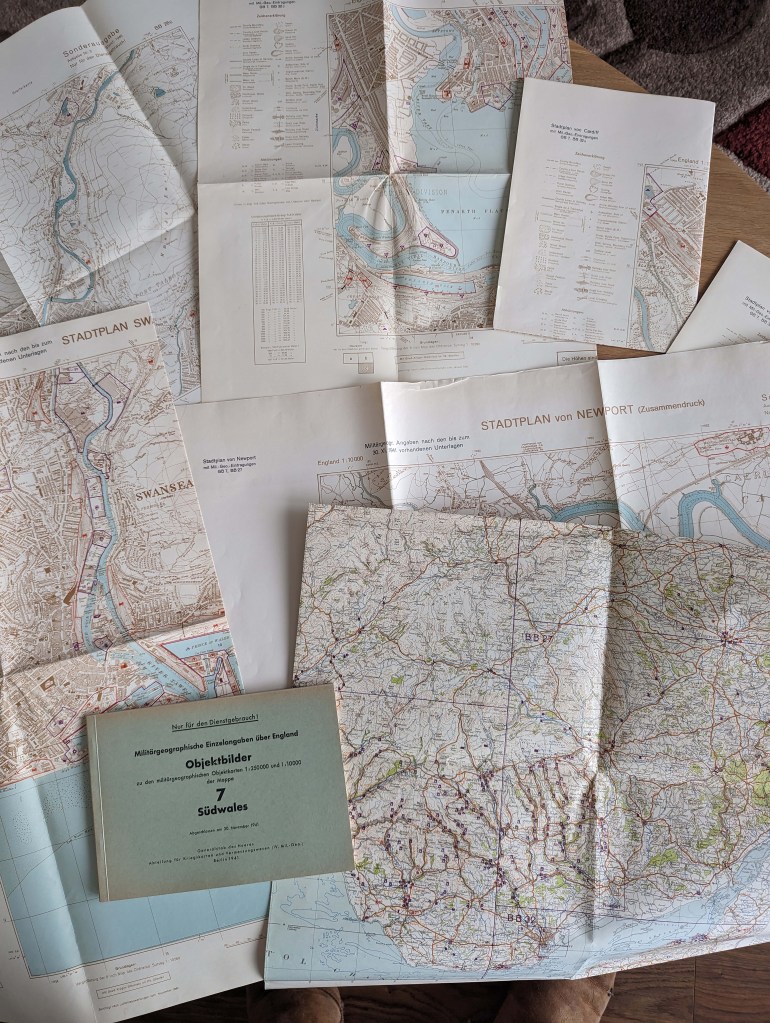
One of the GWR plans of Cardiff used by thew Luftwaffe to plan their air attacks in September 1939.

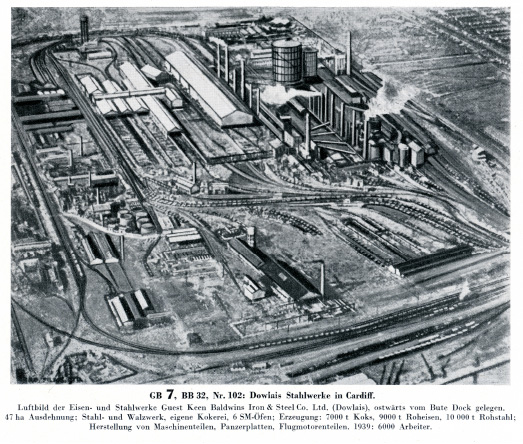
The Luftwaffe attacking Welsh steel

The steelworks of the Welsh ports were of obvious interest to the early Luftwaffe investigators. Iron and steel were strategic materials for all sides. The Dowlais steelworks in Cardiff was a huge target. In fact it was so big that it was difficult to work out exactly where to hit it to cause most damage. The largest high quality bombs were reserved for targets like this (500kg or more), with hard steel noses to penetrate concrete roofs. Incediary bombs were not very effective against industrial targets.

I cover Cardiff as a Luftwaffe target in Chapter 5 of Eye of the Eagle: Luftwaffe Intelligence and the South Wales Ports 1939-1941.

Above: The Dowlais steelworks as depicted in the Militärgeographische Einzelangaben from 1940. A difficult target to attack which required special bombs of larger size and hardened casings to penetrate concrete walls and floors. Incendiaries were practically pointless against a steelworks. There was also a need to attack at a lower altitude to increase accuracy. The presence of a couple of barrage balloons would frequently discourage crews from flying al lower altitudes.

Understanding Luftwaffe bombing in South Wales: The GWR Ports

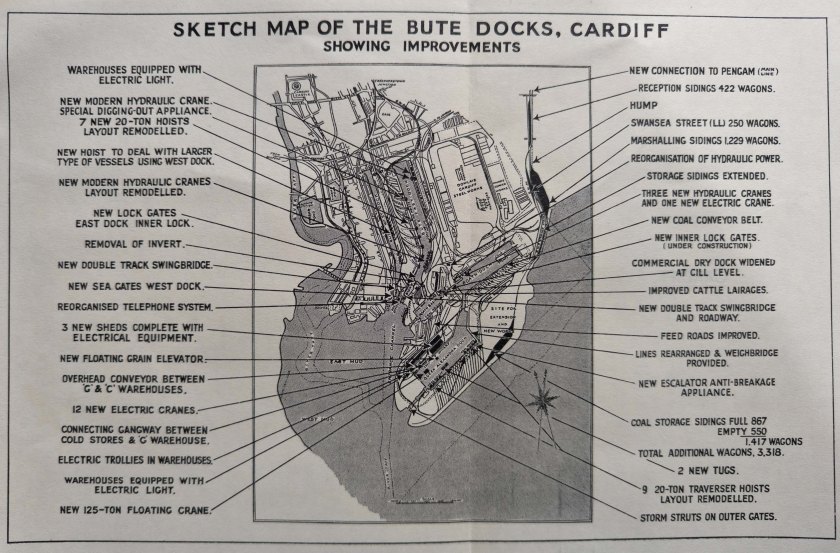
The Great Western Railway (GWR) ports of Souh Wales were vitally important in both world wars for the defence of Britain and hadling imports to support the war effort. Although the ports were mostly designed to export coal before World War One, the GWR invested a lot of money in the 1920s to redevelop some of the ports into general cargo import and export. So, Cardiff, Swansea, and Newport were all given better cranes and storage facilities which enabled a mioxed economy develop as coal exports slowly declined. Eventually, Penarth closed as it was too heavily engineered for coal handling to be of much use. Swansea ans Cardiff became important food import ports with good rail links and plenty of power for large grain and frozen food storage. The full story is covered in Eye of the Eagle: Luftwaffe Intelligence and the South Wales ports 1939-1941.

Below: A GWR plan from 1933 showing the improvements made to Cardiff Docks before the war.

Below: The GWR coal export rail network in 1933. An incredibly dense network of railways allowing bulk transport of coal from every part of the Glamorgan coalfield.

Buying my books online

You can always contact me to buy the Cilfái books. Send me a message on FB or use WhatsApp or LinkedIn. Or you can email me at my Gmail address. Eye of the Eagle will be available at an illustrated Bo0k Launch talk at Swansea Central Library in early June. I will probably do some talks on the air war over Wales later in the summer.

You can also buy copies of the Cilfái books at the lovely little shop in Swansea Environment Centre. It’s the only shop in Swansea that stocks them.

If you want to buy the books online, the easiest way is to buy them direct from lulu.com because these are the people who print them. In fact if you use Amazon all they actually do is contact lulu. So cut out the middle man and go straight to lulu.

If you go to this lulu link, you go straight to a page of all the books and you can choose what you want from there. This way you always get a freshly printed copy with any updates or revisions to the text.

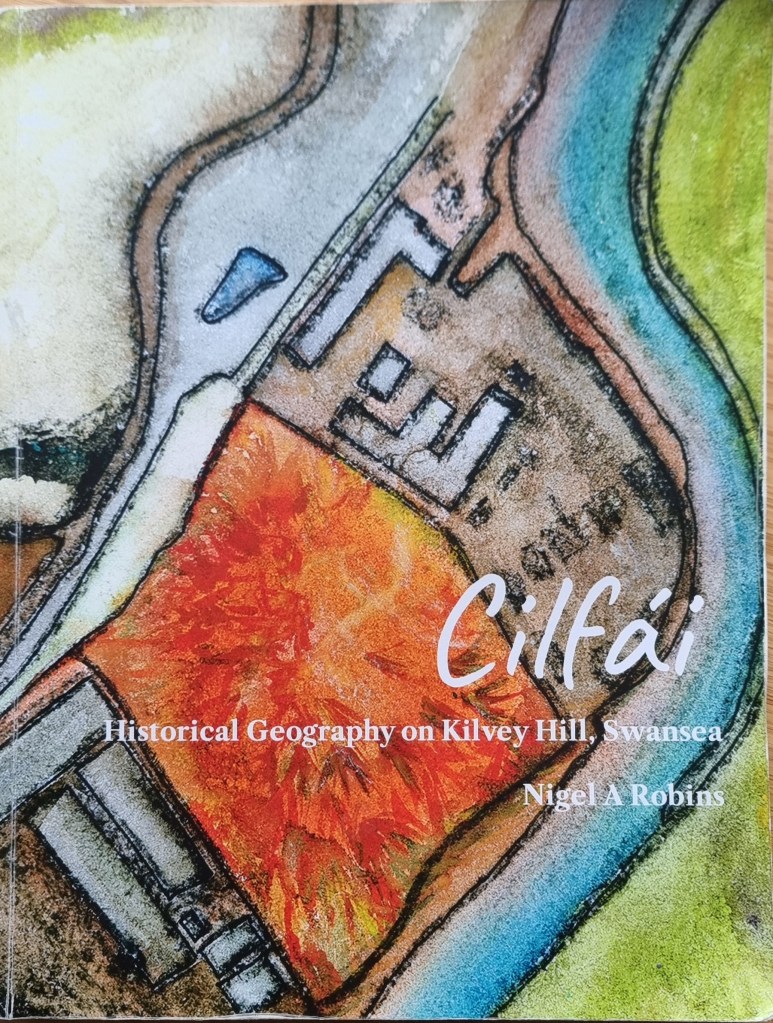
So you can buy Cilfái: Historical Geography on Kilvey Hill, Swansea. This is the history book of the trilogy and it covers the biggest topics in the history of the Hill. So that is Coal, Copper, Pollution, Restoration and Repair and the Nature Recovery. This one also includes Annexes covering the legal background to White Rock Copper Works from 1737, and the Geological history and the pioneering explorations of William Logan. 126pp, fully indexed and referenced.

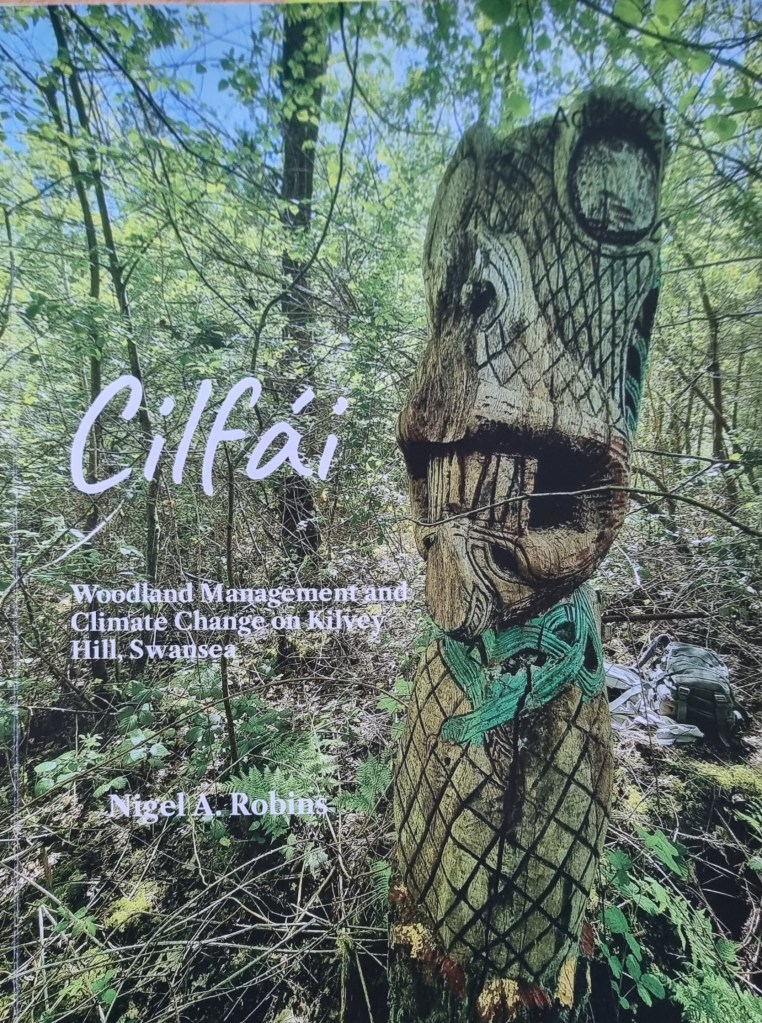
The second book of the trilogy is Cilfái: Woodland Management and Climate Change on Kilvey Hill, Swansea. This one covers the environmental issues faced by the hill and the woodlands. A lot of this one reflects my past government work as a programme reviewer for Defra, DCMS and Historic England, particularly where matters of the environment are concerned. I’m a qualified ecological surveyor and have been involved in a number of large environmental schemes since the 2010s. This book is built around my ecological surveys of the Hill and you will see a lot of Annexes here showing how we create Species and Habitat Action Plans for conservation, My records of everything I found within 1 km of The Glade (between 2010 and 2023) including Mammals, insects, Invasive Species and Reptilees and Amphibians. I also include my Open Mosaic Habitat plant list (including bombsite plants). I have produced a sample copy of a standard Woodland Management Plan to show people how to prepare a good conservation plan and I finish up with my discoveries and monitoring of bat populations on the Hill. This book also has discussions of landscape resilience and climate change issues as we saw them in UK Government.130 pp, fully indexed and referenced.

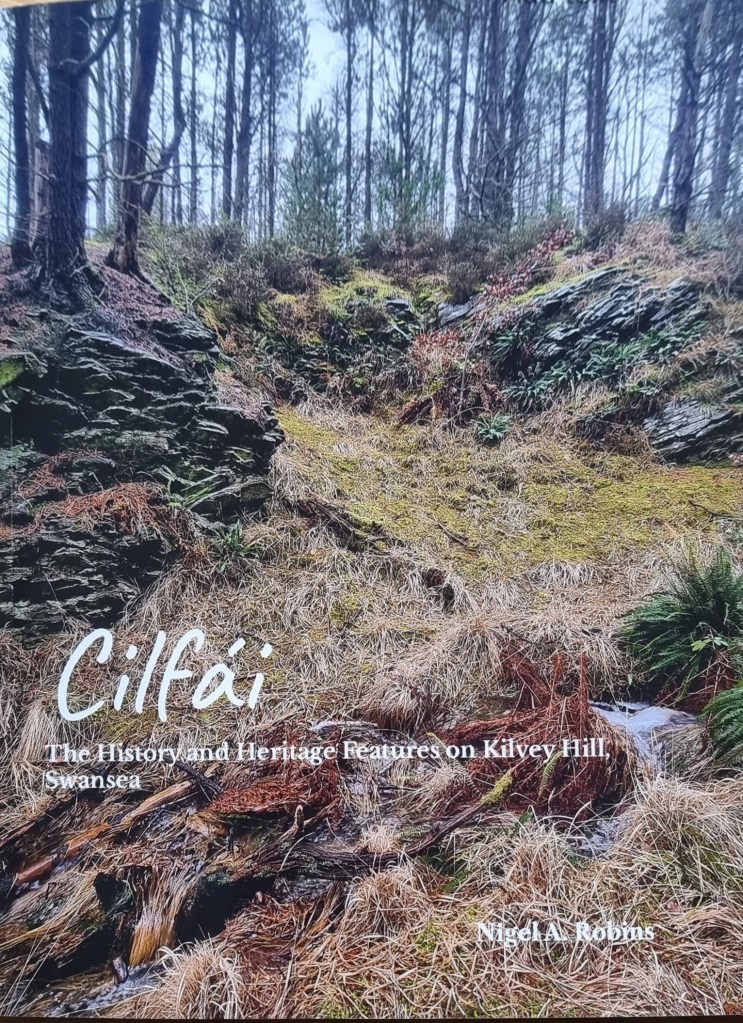
The final Cilfái book is Cilfái: The History and Heritage Features on Kilvey Hill, Swansea. This is based on my new surveys of all the heritage and historic features on the Hill. I spent a couple of years working for UK Parliament, chiefly as a heritage researcher so I picked up al ot of experience working with Parlamentary conservation departments, Historic England and Scottish Heritage. When I reviewed the current records of heritage and archaeology for the hill, I could see they were incomplete or needed updating. This book does that, and I’ve added maps and What3Words locations of all the heritage features on the Hill from the prehistoric sites, coal and copper industries up to the present day with The Green Man. I’ve also added a number of heritage featurews to the list that aren’t on the official lists. All this empasises the point about how special Cilfái actually is.

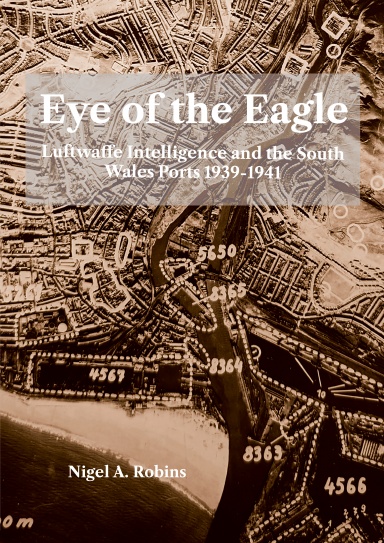
A lot of people know me as a historian specialising in World War Two and my latest book is a revised and much enlarged version of a book I originally published in 1993. Eye of the Eagle: Luftwaffe Intelligence and the South Wales Ports 1939-1941 takes me back to my original research field as a Historical Geographer investigating landscape history. Using Luftwaffe aerial photographs to study Gower landscape sent me in a different direction as I tried to understand the history behind German military intelligence activities in South Wales. Over many years I amassed a large collectionn of Luftwaffe intelligence which portays the reality of the war oiver Wales from the German viewpoint. It also provides a fantastic insight into the activities of the ports of Swansea, Cardiff, Barry and Llandarcy in their finest hour as they supported the nation’s defence and resilience. Using a combination of Luftwaffe intelligence documents and maps and local records from the 1930s, this book examines the reality of why the ports were bombed. A4 size, 170 pp, fully indexed and referenced.

Eye of the Eagle: Luftwaffe Intelligence and the South Wales Ports 1939-1941

My new book on the history of the Blitz bombing of Swansea and the other South Wales ports is now available from me.

This is the second edition of Eye of the Eagle, the first edition was published in 1993!

I’ve completely rewritten the history based on years of research in German Air Force sources and I’ve looked at the other ports the Luftwaffe attacked in 1940 and 1941. Over the years I’ve collected a large range of intelligence materials which are rarely seen because they were often destroyed at the end of the war.

In this history I have concentrated on Luftwaffe intelligence maps, photographs and other sources to give the real reasons why Swansea and the other ports were attacked and dispell some of the rumours from the past. I’ve also looked at the U-boat campaign against Swansea and Cardiff and included translations of key German war diaries and Luftwaffe intelligence records. I’ve described in detail the U-boat mining of the Scarweather lightship and the U-boat attack on Swansea.

Intelligence records are often difficult to understand so I’ve added a detailed examination of how photographs were taken in the preparation for invasion and the Blitz attacks on the ports.

I’ve made this book a big A4 size to take full advantage of the many maps and images that show Swansea and the ports as seen from the German point of view. Over 130 illustrations, many in colour.

Chapters: 1. Understanding Intelligence and Reconnaissance (The Munich Crisis, The decision to bomb Swansea, the bombs and the aftermath as seen by the Luftwaffe cameramen), 2. The history of the South Wales ports between 1933 and 1941 (The ports as targets, how they were selected, and how they fought their war). 3. Reconnaissance over Wales (the Units and aircraft), Detailed illustrated chapters on 4. Newport, 5. Cardiff, 6. Penarth, 7. Barry, 8. Port Talbot, 9. Llandarcy Oil Refineries, 10. Briton Ferry, and 11. Swansea, With Annexes on the U-boat mining of the Scarweather Lightship, Descriptions of the Luftwaffe intelligence records, and other information on the bombs that were dropped on the ports.

Eye of the Eagle: Luftwaffe Intelligence and the South Wales Ports 1939-1941, Nigel A. Robins, Size: A4, Paperback, 170 pages. Price £16.99.

Available from Nyddfwch Publishing, Swansea, or contact the author on nrcontact30@gmail.com. Or you can contact me here.

Available online in mid May.

#SwanseaHistory, #CardiffHistory, #Luftwaffe, #SwanseaBlitz, #CardiffBlitz, #U-boats, #PortTalbotHistory, #Barry, #Great WesternRailway, #MilitaryIntelligence, #LandscapeHistory