The Luftwaffe attacking Welsh steel

The steelworks of the Welsh ports were of obvious interest to the early Luftwaffe investigators. Iron and steel were strategic materials for all sides. The Dowlais steelworks in Cardiff was a huge target. In fact it was so big that it was difficult to work out exactly where to hit it to cause most damage. The largest high quality bombs were reserved for targets like this (500kg or more), with hard steel noses to penetrate concrete roofs. Incediary bombs were not very effective against industrial targets.

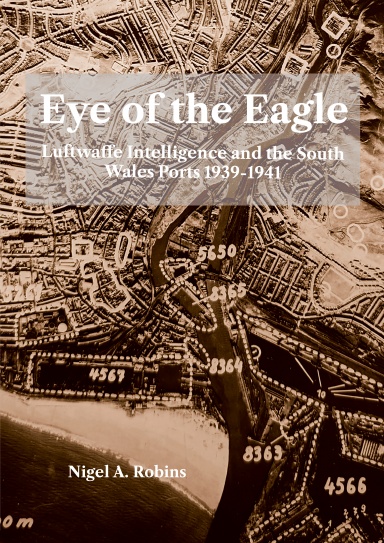
I cover Cardiff as a Luftwaffe target in Chapter 5 of Eye of the Eagle: Luftwaffe Intelligence and the South Wales Ports 1939-1941.
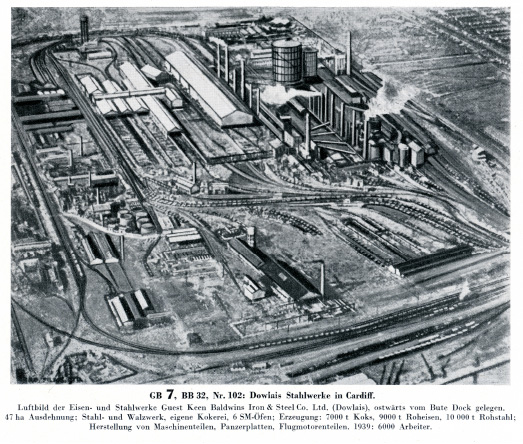
Above: The Dowlais steelworks as depicted in the Militärgeographische Einzelangaben from 1940. A difficult target to attack which required special bombs of larger size and hardened casings to penetrate concrete walls and floors. Incendiaries were practically pointless against a steelworks. There was also a need to attack at a lower altitude to increase accuracy. The presence of a couple of barrage balloons would frequently discourage crews from flying al lower altitudes.

Understanding Luftwaffe bombing in South Wales: The GWR Ports

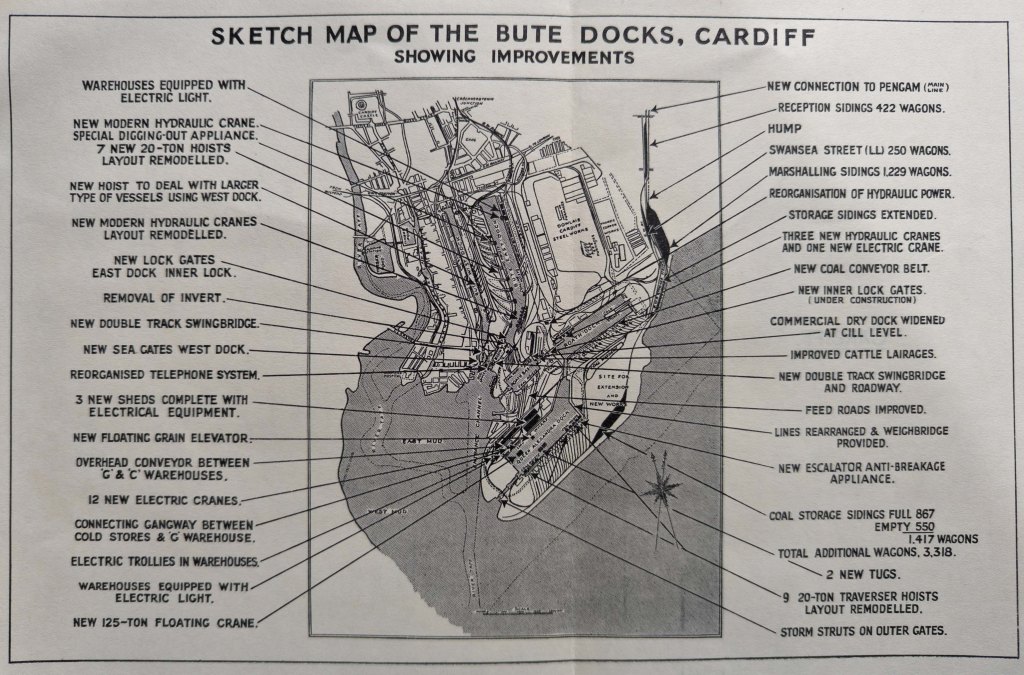
The Great Western Railway (GWR) ports of Souh Wales were vitally important in both world wars for the defence of Britain and hadling imports to support the war effort. Although the ports were mostly designed to export coal before World War One, the GWR invested a lot of money in the 1920s to redevelop some of the ports into general cargo import and export. So, Cardiff, Swansea, and Newport were all given better cranes and storage facilities which enabled a mioxed economy develop as coal exports slowly declined. Eventually, Penarth closed as it was too heavily engineered for coal handling to be of much use. Swansea ans Cardiff became important food import ports with good rail links and plenty of power for large grain and frozen food storage. The full story is covered in Eye of the Eagle: Luftwaffe Intelligence and the South Wales ports 1939-1941.

Below: A GWR plan from 1933 showing the improvements made to Cardiff Docks before the war.

Below: The GWR coal export rail network in 1933. An incredibly dense network of railways allowing bulk transport of coal from every part of the Glamorgan coalfield.