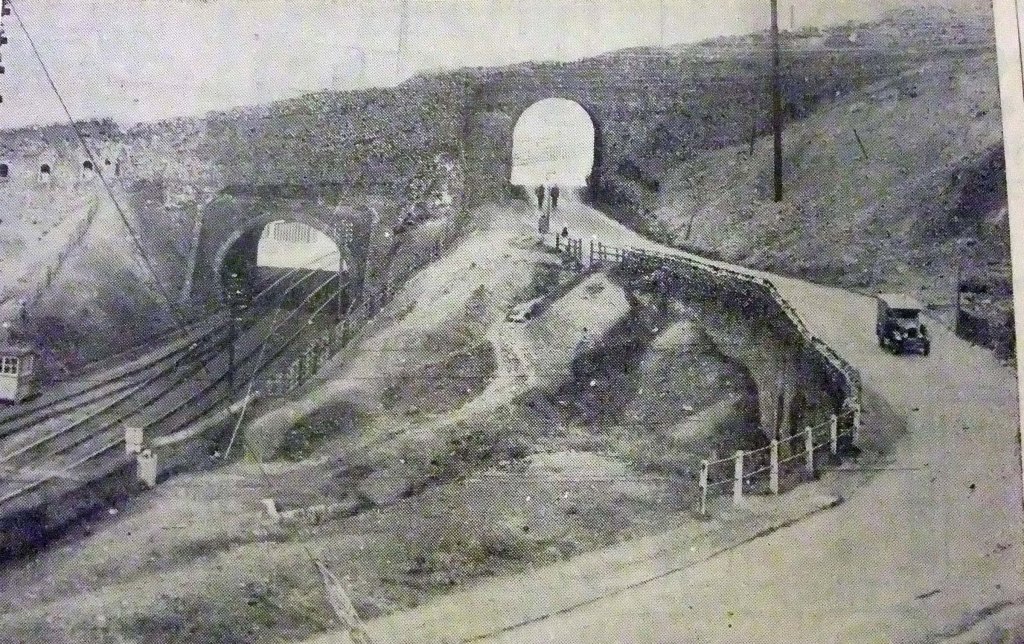
The waste tips and pollution on the hill are the obvious legacy remains of the copper industry. However, there are several other copper-related features on the hill. In Cilfái: The History and Heritage Features, I listed 16 features of Swansea copper heritage. One of them appears to have been completely missed by the several archaeologists that apparently surveyed the area. The Copper 14 Feature (listed on page 57) White Rock Hammer Pond Tunnel is an incredible survivor of a water course that supplied water to the water wheels of the original watermill that was on the White Rock site before the building of the works in 1737. It still works today carrying the Nant Llwynheiernin under the Pentrechwyth Road and into the White Rock site before running out to the river south of White Rock near the original White Rock coal yard.
Below: The White Rock incline and site of Nant Llwyheiernin bridge and tunnel in the early 1930s. The bridge and tunnel still survive buried in the new road.
Although there is a publicity fanfare about Copper in Swansea, it is coal that is in the heart of Swansea’s history. There may be two thousand years of coal workings around the city and west to Crofty. Beyond that, the rocks of Gower change so there is no coal mining.
The mining of coal was a part of every farm and farmworker’s life before the Industrial Revolution in the 1750s. Coal often outcropped on the surface and small scrapes or pits still survive all across Swansea. The country park of Penllergare is an invention of the mid 1800s, before that the Llan valley was devastated by coal workings. The valley is still full of pits and collapsed tunnels. Cilfái’s coal was mined from medieval times, and Swansea’s earliest coal mining records are actually Cilfái coal mining above Foxhole. I discuss the early history of coal in Cilfái: Historical Geography.
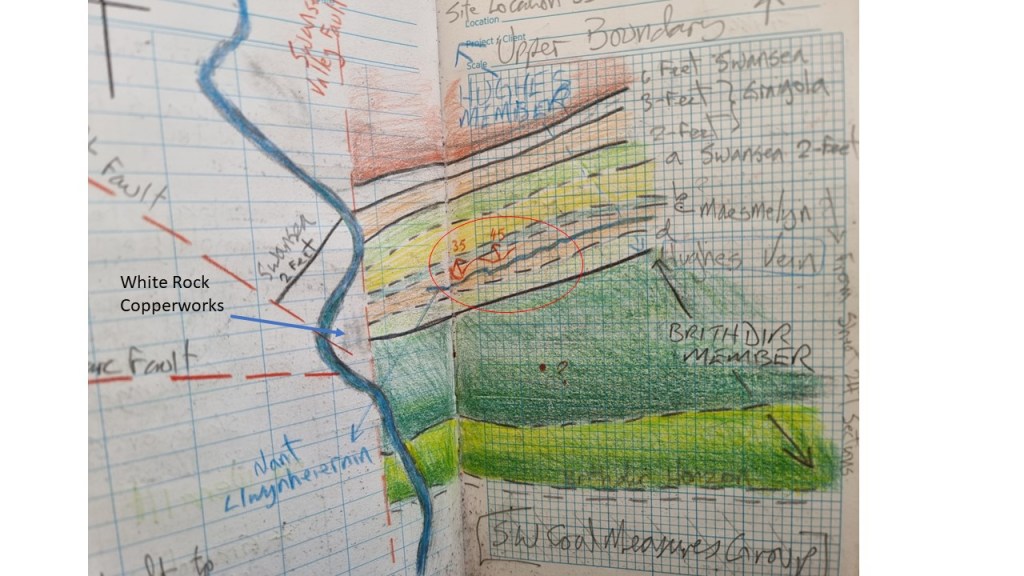
Cilfái had three good coal seams running west-east across the hill. These were the Hughes Vein, Captains Vein, and the Foxhole Vein. The Hughes and Captains yielded a good-quality bituminous coal which was used in the copper smelters of White Rock and Middle Bank. The Foxhole Vein was more of a problem, it tended to vary in thickness and quality so mining it was often frustrating as it would disappear and then reappear further up the hill. The top of Cilfái is marked with excavations from the 1700s where men had dug to try and get a better access to good coal from the Foxhole. They never found it, so the Foxhole Vein was called ‘lumpy’…unreliable.
Local colliers on Cilfái knew all about the problems of mining on the hill and the knowledge was passed down the generations. It wasn’t until 1837 when William Logan started talking to the colliers and mapping their knowledge, that we begin to have detailed knowledge of the coalfield under Swansea and Morriston
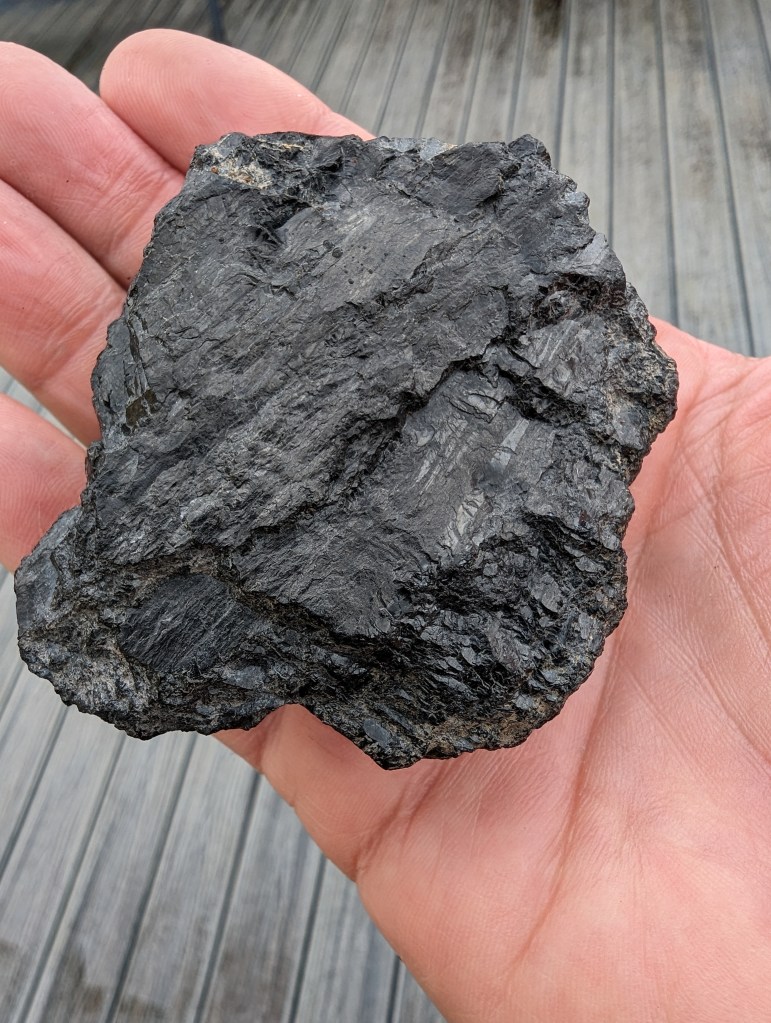
Below: Coal from the Hughes Vein above White Rock. A lustrous black coal that shines like a jewel. You can see the layers of harder vitreous coal that were often the source of better quality fires. The nature of layers in the coal was only finally understood in the early 1900s by Dr Marie Stopes, Britain’s pioneering palaeobotanist.
You can always contact me to buy the Cilfái books. Send me a message on FB or use WhatsApp or LinkedIn. Or you can email me at my Gmail address. Eye of the Eagle will be available at an illustrated Bo0k Launch talk at Swansea Central Library in early June. I will probably do some talks on the air war over Wales later in the summer.
You can also buy copies of the Cilfái books at the lovely little shop in Swansea Environment Centre. It’s the only shop in Swansea that stocks them.
If you want to buy the books online, the easiest way is to buy them direct from lulu.com because these are the people who print them. In fact if you use Amazon all they actually do is contact lulu. So cut out the middle man and go straight to lulu.
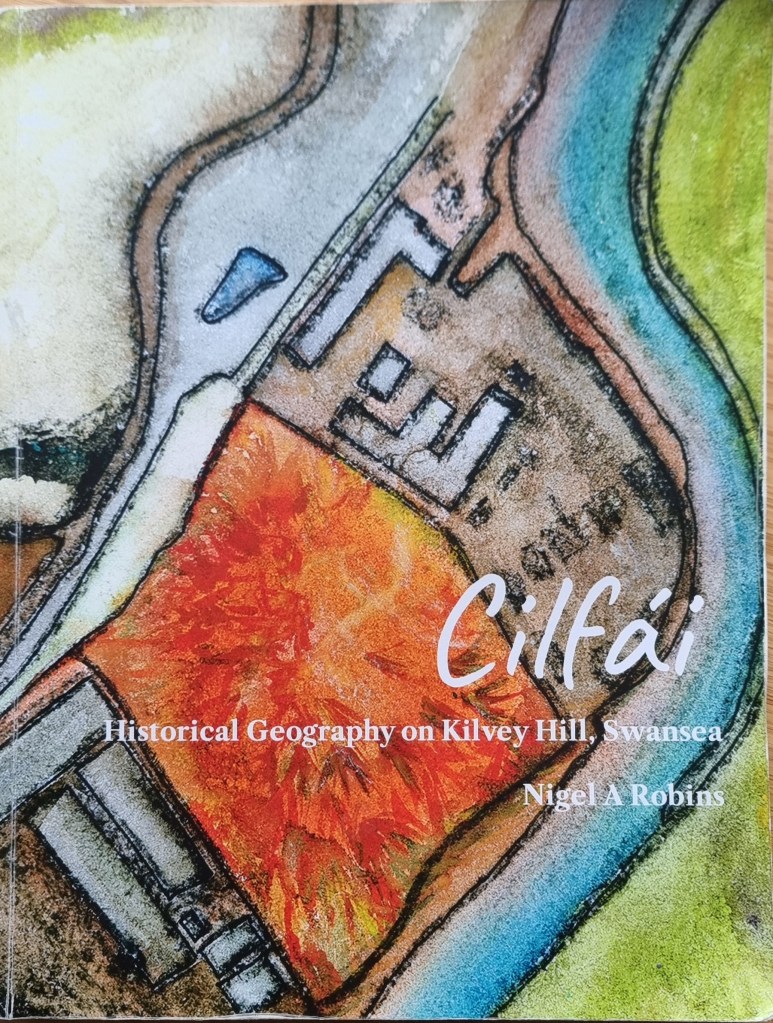
So you can buy Cilfái: Historical Geography on Kilvey Hill, Swansea. This is the history book of the trilogy and it covers the biggest topics in the history of the Hill. So that is Coal, Copper, Pollution, Restoration and Repair and the Nature Recovery. This one also includes Annexes covering the legal background to White Rock Copper Works from 1737, and the Geological history and the pioneering explorations of William Logan. 126pp, fully indexed and referenced.
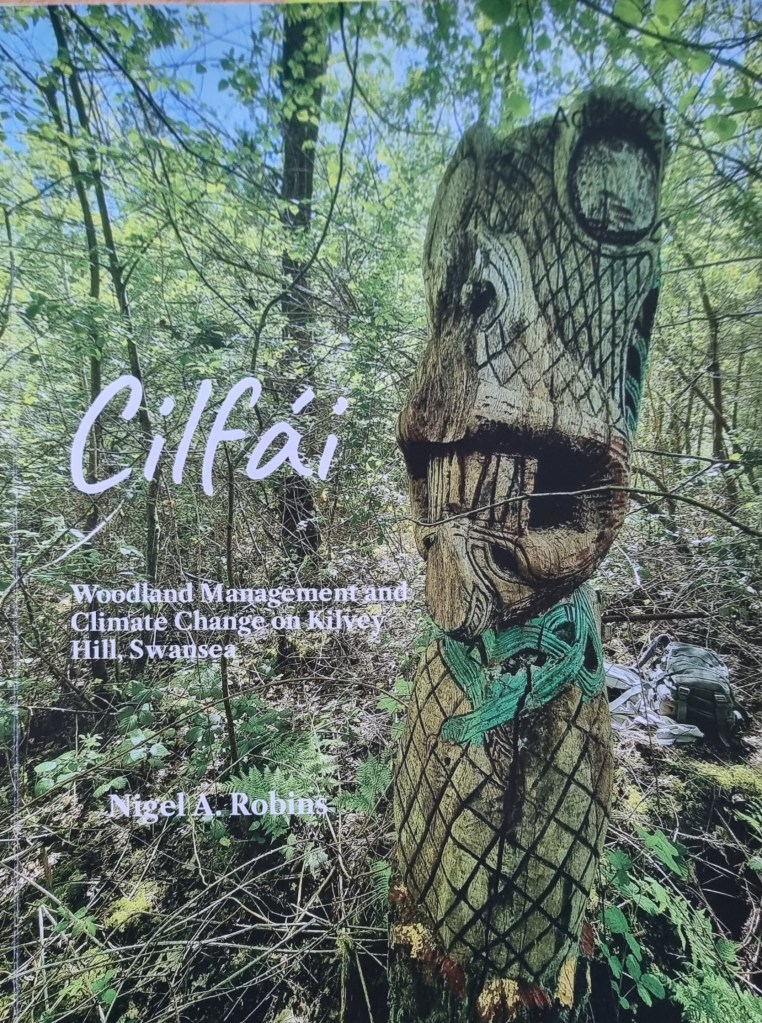
The second book of the trilogy is Cilfái: Woodland Management and Climate Change on Kilvey Hill, Swansea. This one covers the environmental issues faced by the hill and the woodlands. A lot of this one reflects my past government work as a programme reviewer for Defra, DCMS and Historic England, particularly where matters of the environment are concerned. I’m a qualified ecological surveyor and have been involved in a number of large environmental schemes since the 2010s. This book is built around my ecological surveys of the Hill and you will see a lot of Annexes here showing how we create Species and Habitat Action Plans for conservation, My records of everything I found within 1 km of The Glade (between 2010 and 2023) including Mammals, insects, Invasive Species and Reptilees and Amphibians. I also include my Open Mosaic Habitat plant list (including bombsite plants). I have produced a sample copy of a standard Woodland Management Plan to show people how to prepare a good conservation plan and I finish up with my discoveries and monitoring of bat populations on the Hill. This book also has discussions of landscape resilience and climate change issues as we saw them in UK Government.130 pp, fully indexed and referenced.
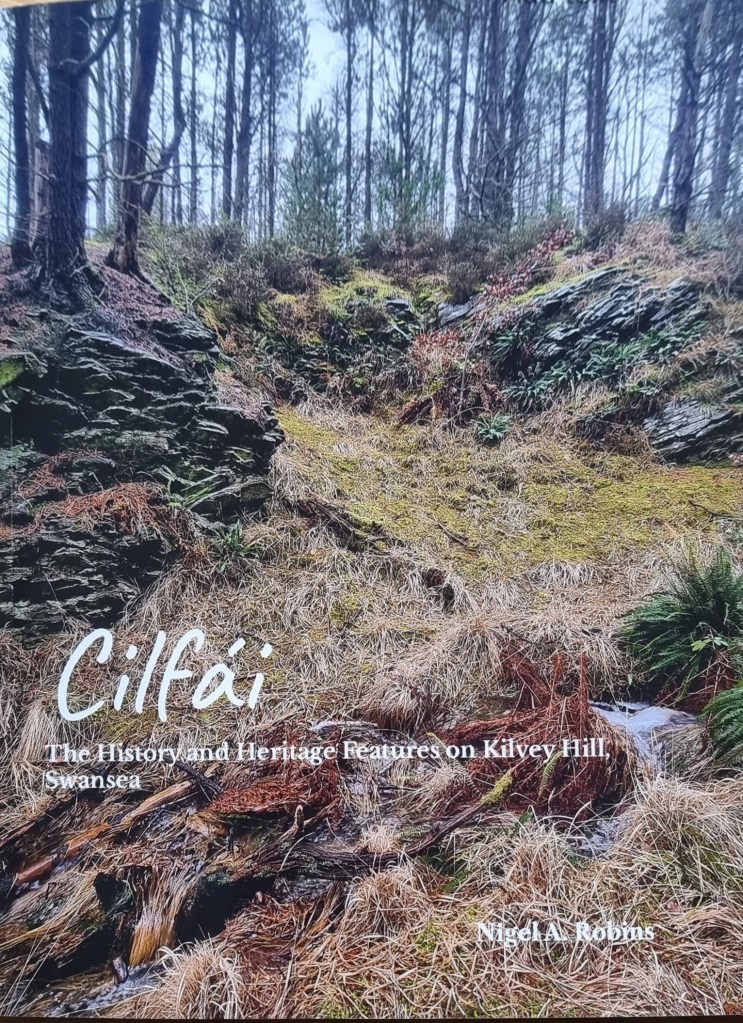
The final Cilfái book is Cilfái: The History and Heritage Features on Kilvey Hill, Swansea. This is based on my new surveys of all the heritage and historic features on the Hill. I spent a couple of years working for UK Parliament, chiefly as a heritage researcher so I picked up al ot of experience working with Parlamentary conservation departments, Historic England and Scottish Heritage. When I reviewed the current records of heritage and archaeology for the hill, I could see they were incomplete or needed updating. This book does that, and I’ve added maps and What3Words locations of all the heritage features on the Hill from the prehistoric sites, coal and copper industries up to the present day with The Green Man. I’ve also added a number of heritage featurews to the list that aren’t on the official lists. All this empasises the point about how special Cilfái actually is.
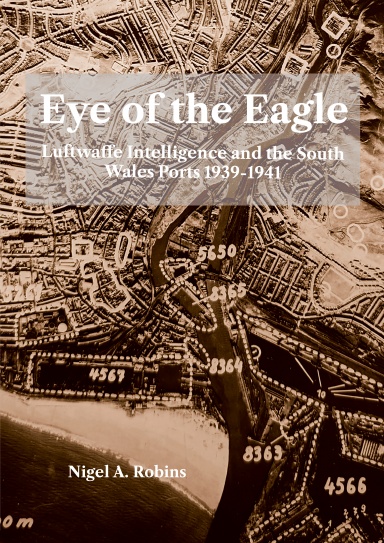
A lot of people know me as a historian specialising in World War Two and my latest book is a revised and much enlarged version of a book I originally published in 1993. Eye of the Eagle: Luftwaffe Intelligence and the South Wales Ports 1939-1941 takes me back to my original research field as a Historical Geographer investigating landscape history. Using Luftwaffe aerial photographs to study Gower landscape sent me in a different direction as I tried to understand the history behind German military intelligence activities in South Wales. Over many years I amassed a large collectionn of Luftwaffe intelligence which portays the reality of the war oiver Wales from the German viewpoint. It also provides a fantastic insight into the activities of the ports of Swansea, Cardiff, Barry and Llandarcy in their finest hour as they supported the nation’s defence and resilience. Using a combination of Luftwaffe intelligence documents and maps and local records from the 1930s, this book examines the reality of why the ports were bombed. A4 size, 170 pp, fully indexed and referenced.
When investigating the history of a landscape, one of the first things worth looking at is the underlying rocks that make up the land. In Wales, this is often the question, ‘Is there coal here?’ In Swansea, the answer is usually ‘yes!’
We can usually get a map showing us the geology of the land. In Swansea, we have the famous Sheet 247 to guide us. As a young student of Geology, my old Dynevor Geology teacher John Rees always told me to ‘get the Memoir’. It was sage advice, and referring to the Memoir is one of the most essential tools in a researcher’s toolkit. Even today, when I read my copy of the Memoir, it comes out in John Rees’ voice and tone in my head—the legacy of an excellent teacher.
The Memoir is the written guide that accompanies every British Geology map. Most were published in the nineteenth or early twentieth century. Whereas the map represents what is under the ground, the Memoir describes in detail all the features and rock types. Swansea’s Memoir was published in 1907 and is a priceless record of years of fieldwork and investigation by a team of accomplished geologists working throughout the 1890s (Strahan 1907). The original work of the Memoir began in the 1830s on Cilfái when pioneer Geologist William Logan taught himself geology by exploring the mines of Cilfái Hill.
The Memoir is a historical record in itself now, as almost all the landscape described has disappeared under housing and tarmac. The Memoir is vital to understanding the geology of Cilfái, and I refer to it many times in Chapter Two of Cilfái: Historical Geography.
Strahan, Aubrey. 1907. The Geology of the South Wales Coal-Field. Part VIII, The Country around Swansea: Being an Account of the Region Comprised in Sheet 247 of the Map, Memoirs of the Geological Survey. England and Wales, 247 (London: Printed for His Majesty’s Stationery Office by Wyman and Sons)
Below: The title page of the Swansea Memoir and below that Swansea as shown on the modern edition of Sheet 247. It still credits the original work by William Logan from the 1830s.
Some of you know I spend a lot of time researching the German Air Force (Luftwaffe) intelligence activities over South Wales in World War Two. Eventually, the Luftwaffe bombed several towns, including many attacks on Swansea. The images the Luftwaffe took in preparation for the bombing attacks are often the earliest quality photographic surveys of industrial landscape we have. The main reason I collected such a large archive of photos is because of the landscape history in them. The fact I needed to understand fully the reasons behind the images was just a part of that original journety to understand the records. I’ll be publishing a large book on Swansea and the intelligence war in May. My original Eye of the Eagle book from 1993 is here in PDF.
Anyway, the pictures of the Lower Swansea Valley taken in 1940 and 1941 are an incredible record of the pollution and devastation of the industries in the valley. Eventually, the terrible pollution was ackowledged and a cleanup started in the early 1960s as part of the world-famous Lower Swansea Valley Project. I talk about the Cilfái part in the Project in Chapter Five of Cilfái: Historical Geography .
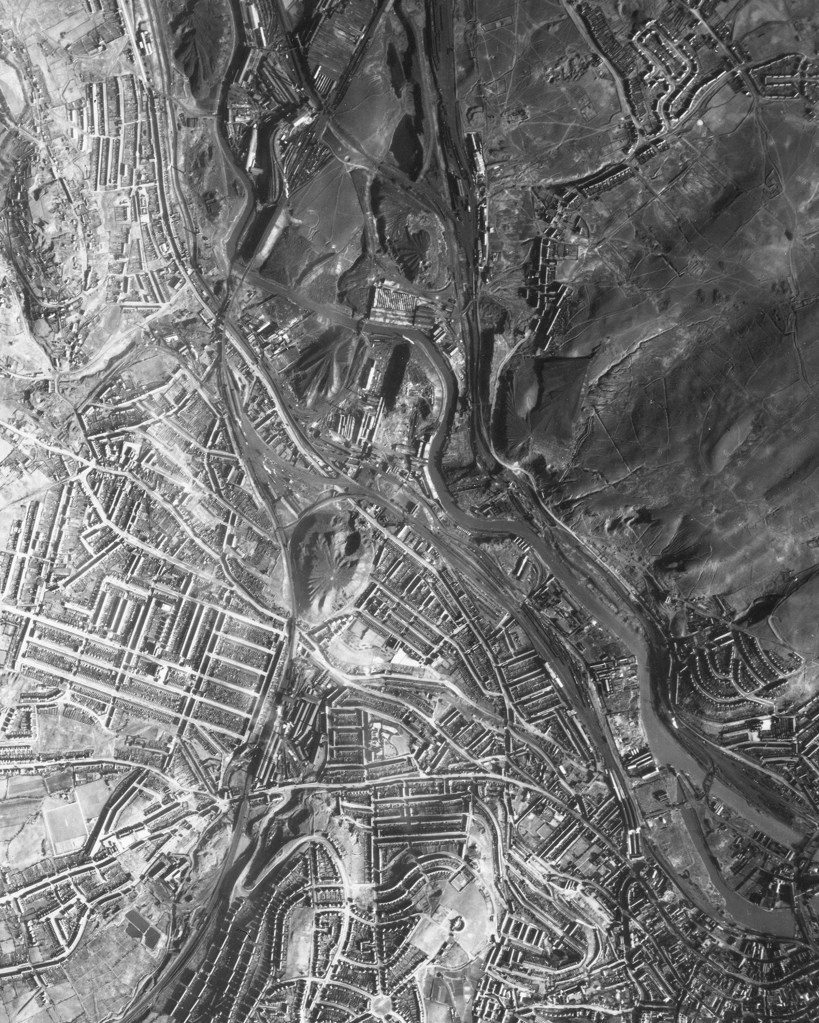
Below is one of the images in my collection from February 1941 when Luftwaffe airmen took photos of the whole town in preparation for the three nights of air attacks between 19 to 21 February 1941. In the middle of this image you can see the massive Hafod tip created by the Vivians industries. Further right are the even larger tips of the valley industries which destroyed the ecology of Cilfái and North-East Swansea. The White Rock tips are just right of centre. I don’t think there is a single tree in the upper half of this image.
The arrival of copper smelting in Swansea changed the nature of industrialisation and transformed the thousand year old coal industry into something new. The redevelopment of Hafod-Morfa and the branding of Swansea Copper as a commodity for tourism involves a lot of verbal gymnastics explaining to new generations and visitors what the copper industry was and why they should be interested in it all. And what it used to look like because it sure as hell doesn’t look like anything now.
It is a tough sell as almost every structure related to the industry was demolished in the twentieth century. The ruins were dirty, dangerous, toxic and were seen as ugly. Fast forward to today when clever marketers will be paid to dress up what is left into a ‘legacy’ tourism…anything is possible with the right amount of ‘Levelling Up’ money. Until it runs out.
Although we have two chimneys and a flavoured whisky business leading the charge to new tourism, there is one legacy of the copper industry that will never be erased…the pollution. I talk of a lot of this in Chapter Three of the Cilfái: Historical Geography book. The copper waste tips of the Lower Swansea Valley were famous on a European scale. most is still there but levelled out and (sort of) grassed over. It continues to inject zinc, cadmium, lead and mercury into the water table.
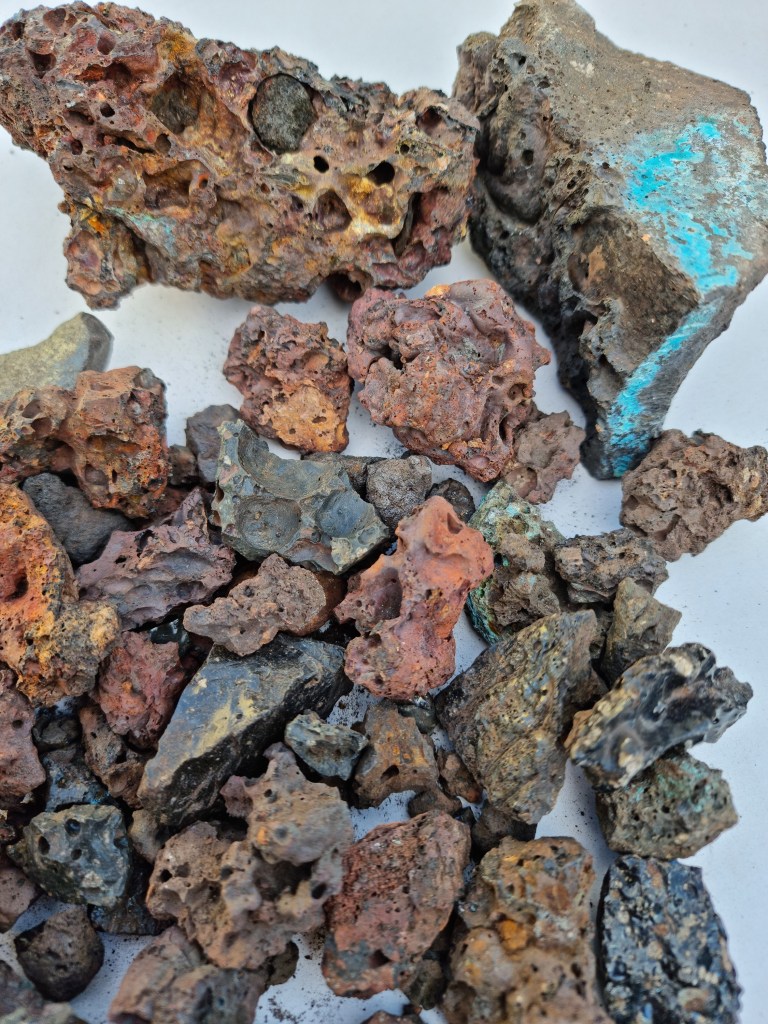
Below: Slag from White Rock will often have the green stain of copper and the remains of the charcoal thrown onto the molten copper at certain times of the smelting process. The nastiest and most toxic tip is right next to the White Rock remains. The waste was thrown on to the meadow of Cae Morfa Carw and the conical pile of waste is like a gravestone over the remains of the pre-industrial landscape.
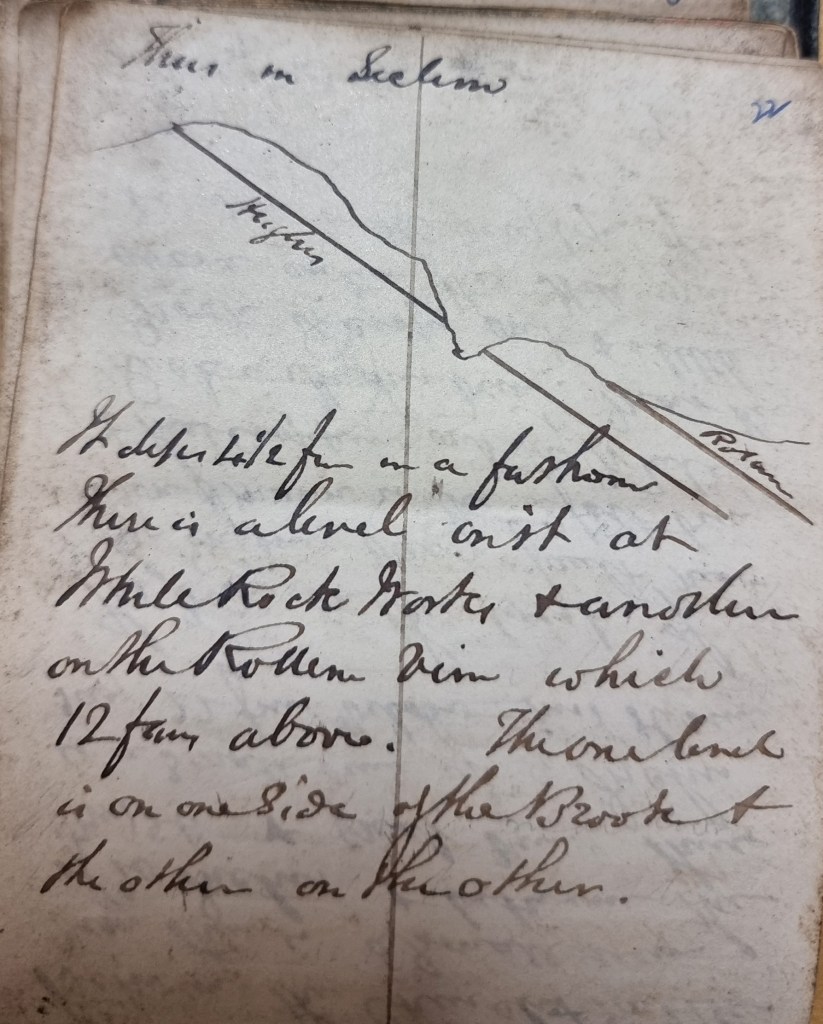
There is a lot of coal on Cilfái. This is why it was so important for Swansea’s early industrial economy. Almost all of the original coal workings have been buried or submerged under new trees and vegetation that has grown up since 1970. The Cilfái coal seams dip northwards so that what was originally at the surface above White Rock Copper Works dips underground so that they are underground at Morriston. This is why Copper Pit was so deep, it had to dig down through the glacial debris in the valley and a lot of Pennant Sandstone Rock. The pioneer geologist William Logan taught himself Geology by closely examining the coal seams on Cilfái. Almost two hundered years later, I was able to reconstruct his view of Cilfái coal by reading his notebooks. Here’s my original sketch plan based on his notes
One of the most interesting aspects of the history on the hill is coal mining. We know Swansea is based on the coal industry (Copper comes along MUCH later!). the earliest record of coal industry in Swansea comes from 1400 when a deep mine was being dug with all the necessary exenditure on drainage and candles for lighting and picks and shovels, so we can guess it was quite a substantial coal mine.
But the reality is that it was probably in Foxhole on the east side rather than in the town of Swansea. Foxhole has a thousand years of coal mining history!
The full story is in the first Cilfai book on the Historical Geography of the hill.
You can buy all three Cifái books at the fantastic little shop at Swansea’s Environment Centre in central Swansea. I originally just put the History of Cilfái book there, but the Environment Centre kindly offered to stock the other two books as well.
It is good because the profit goes to the Environment centre not a chain like Waterstones or, god forbid, Amazon. I’ve removed from Amazon now. If you want to buy a book online go to my Lulu page
I’ll be giving an illustrated talk about the Environmental History of Cilfái (Kilvey) at Skewen & District Historical Society onFriday 26 April 2024 at Ty Santes Fair (known locally as TSF).
The address of Ty Santes Fair is Compton Road, Skewen, SA10 6BA. Or click on the image here…




 Nigel Robins