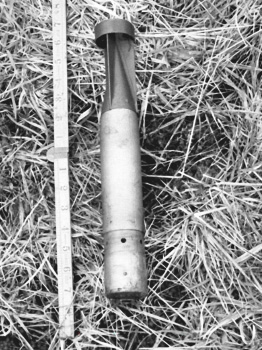
The Luftwaffe had a wide range of weapons available to drop on urban areas in the early years of the war. Lock gates, coal mines, and food storage all had buildings with varying levels of resilience and required different tactics to destroy them. The ports were susceptible to damage in some aspects such as power stations or cranes but generally quite hardy in the face of attack. Larger bombs over five hundred kilogrammes in weight with hardened steel noses were need for the power stations and lock gates. The Luftwaffe was always short of these types of bombs. However, the real terror weapon was the incendiary bomb shown below.
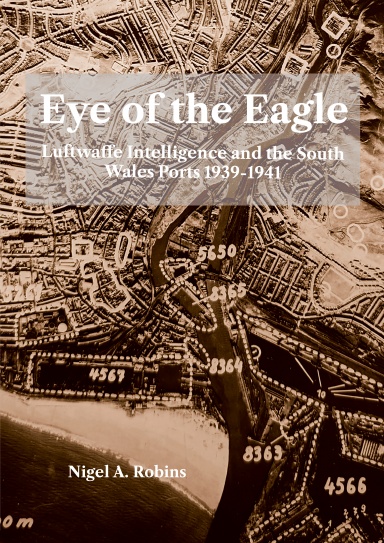
Page 20 of Eye of the Eagle: Luftwaffe Intelligence and the South Wales Ports 1939-1941.
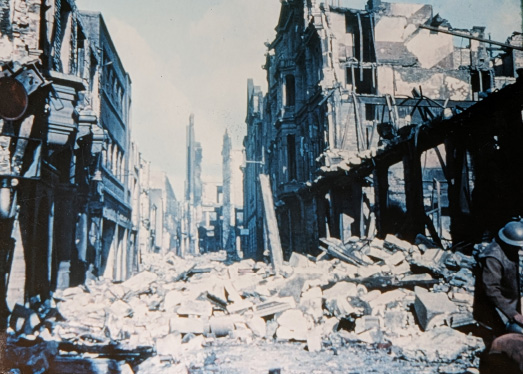
This one kilogramme bomb (the ‘Elektron’) was dropped in thousands on the Welsh ports but it was only ever effective in destroying houses and shops. Creating a firestorm to kill civilians was eventually developed by the RAF and perfected by the US Army Air Forces. The Luftwaffe were experimenting in firestorm tactics in late-1940 and the raid on Swansea in February 1941 shows the early firestorm approach with early arrival of incendiary bombing followed up by high explosive bombs to kill firemen and civil defence staff. The damage to Swansea (shown below) was typical of intensive firestorms which could not be extinguished because firemen were killed and their pumps destroyed. Burning buildings collapse and obliterate the streets with rubble.
The RAF intensively investigated these early Luftwaffe raids and based their own strategic campaign against Germany on the nature of these early raids.

 Nigel Robins