Newport’s port is old, and its original town centre dock was a busy port from medieval times. The take-off point for Newport’s prosperity was the creation of the Monmouthshire and Brecon Canal, allowing coal to come down straight into the port. The fact that Monmouthshire did not have much of a large-scale iron industry meant that coal was exported straight out of Newport instead of being channelled off into other industries as happened at Swansea and Cardiff. The canal and its associated network of tramways meant that Newport was a vigorous coal exporter, rivalling nearby Cardiff for annual tonnage until the 1850s. Some of the best Welsh steam coal collieries were within ten miles of the port, which provided a lucrative trade up to 1945.
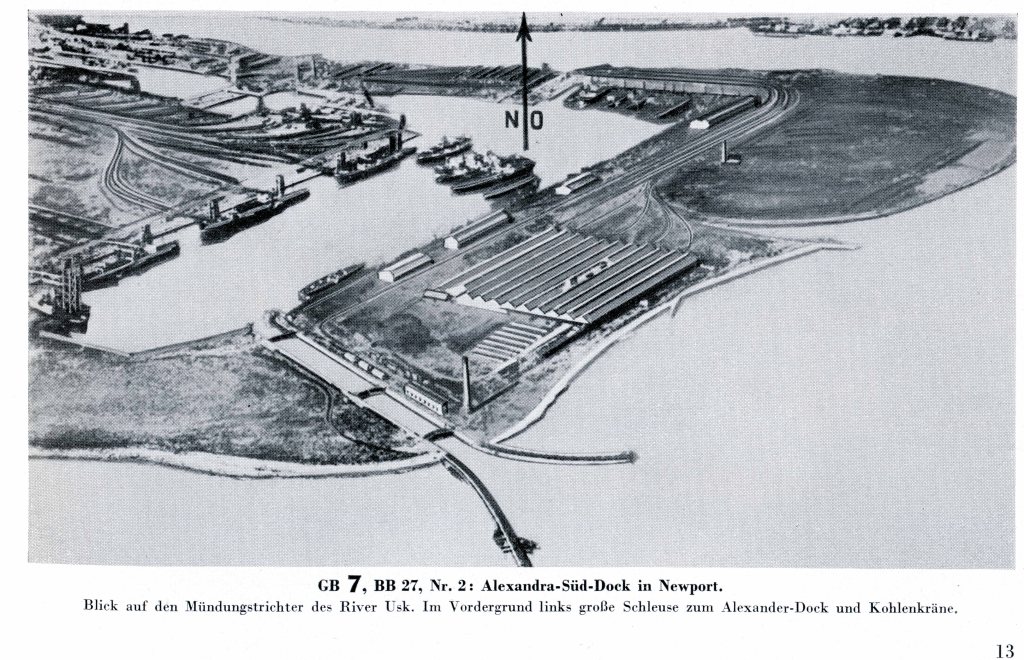
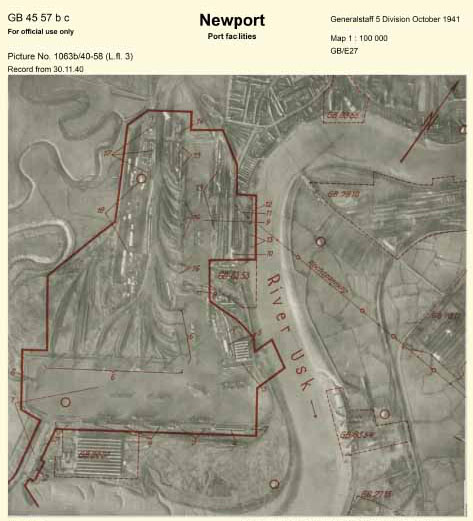
The high level of metalworking and engineering skills in the local population made Newport attractive for ship repair businesses. Newport had five dry docks, two of them (the Tredegar and Eastern No. 2) being particularly large. These larger dry docks were big enough to handle Royal Navy Light Cruisers, particularly effective vessels with large calibre guns. The Luftwaffe was particularly interested in these docks.
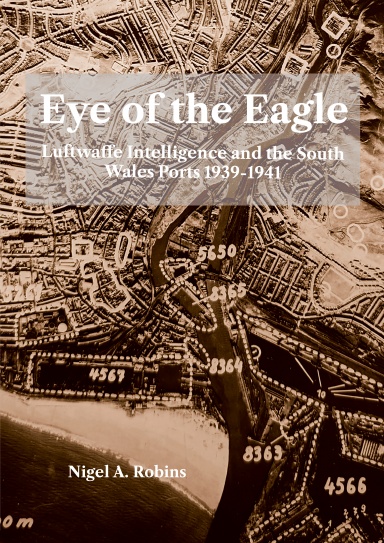
The story of Newport’s importance to the Luftwaffe and the reasons why it was bombed are explained in Eye of the Eagle: Luftwaffe Intelligence and the South Wales Ports 1939-1941.

 Nigel Robins